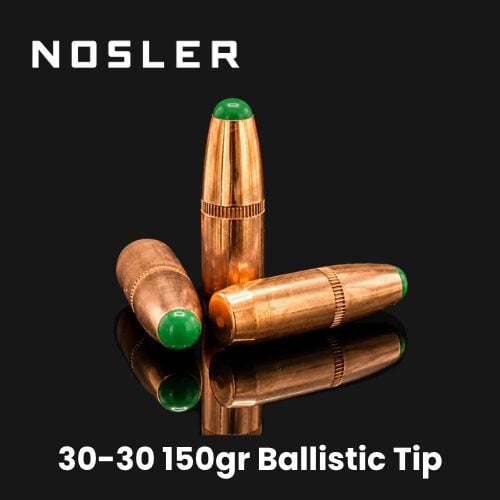
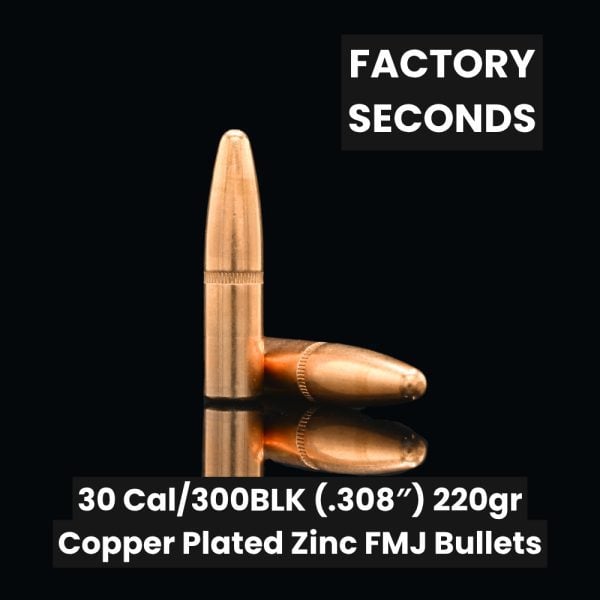
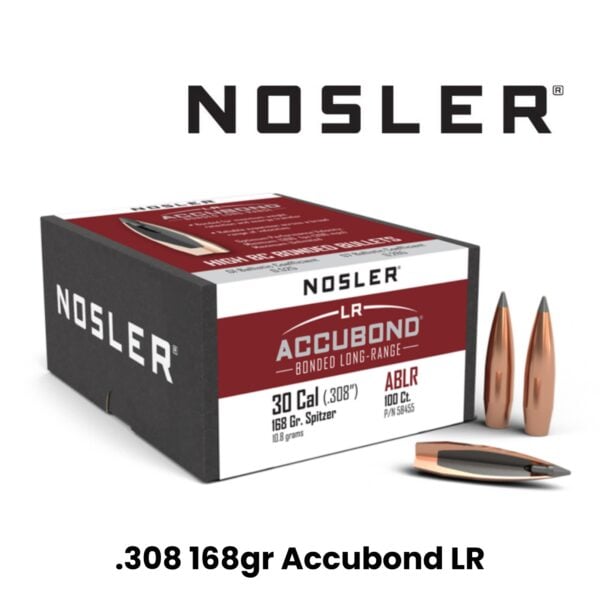
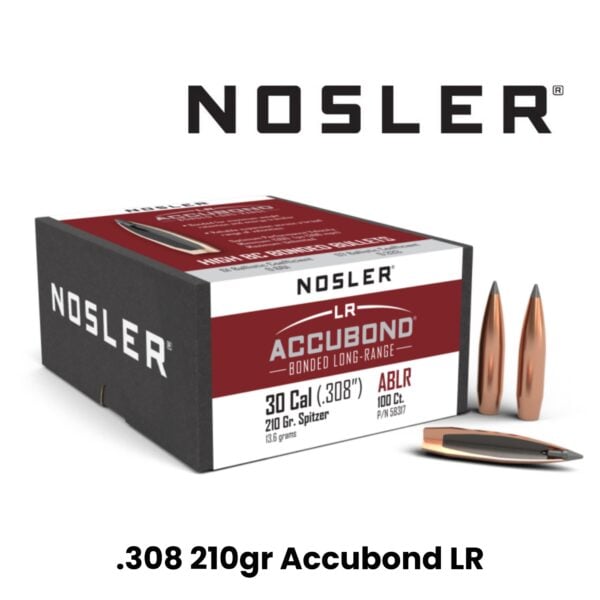
Hey, this is Bill with Raven Rocks Precision. We're going to talk about 30 caliber bullets today. We have quite the selection on the website, and a lot of times folks will ask us, "What's the best bullet for me?" If you don't start with your intended use, you are behind the curve. So today we'll cover some pairings we think are really good, some options you may not have thought about, and what not to do.
The best 30 caliber bullet really depends on what you need it to do. If there were only one best 30 caliber bullet, we'd probably only sell one. If somebody asked me what the best one is, I would ask what they're doing. Are they hunting? Are they a precision rifle shooter? Are they just looking to plink at the range? Or do they have a specific rifle, like an M1 Carbine, that they're developing a load for? Some rifles only shoot certain bullets well, and others shoot a variety. Tell us about your rifle, then tell us what you want it to do.
For someone who just wants to go to the range with a 308 Winchester or 7.62x51 NATO rifle, one of the best values out there is a 30 cal 147 grain FMJ. They're ubiquitous: it's the bullet used in M80 ball ammunition, shot out of everything from M14s to M240s. It's easy to load and great for general range use, shooting steel and punching holes in paper.
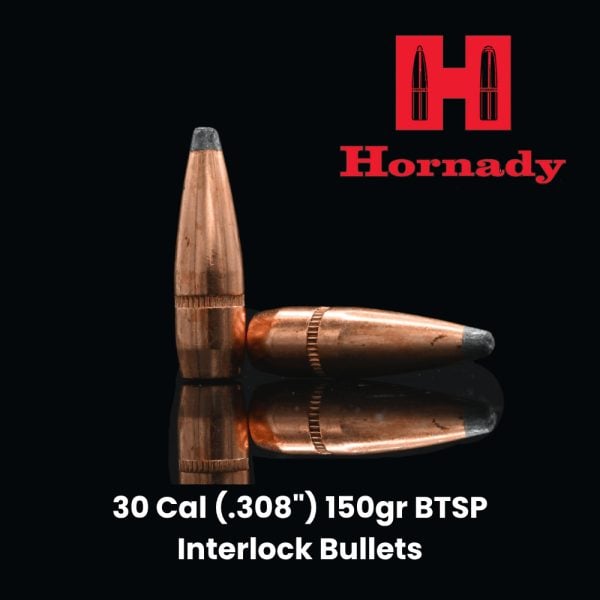
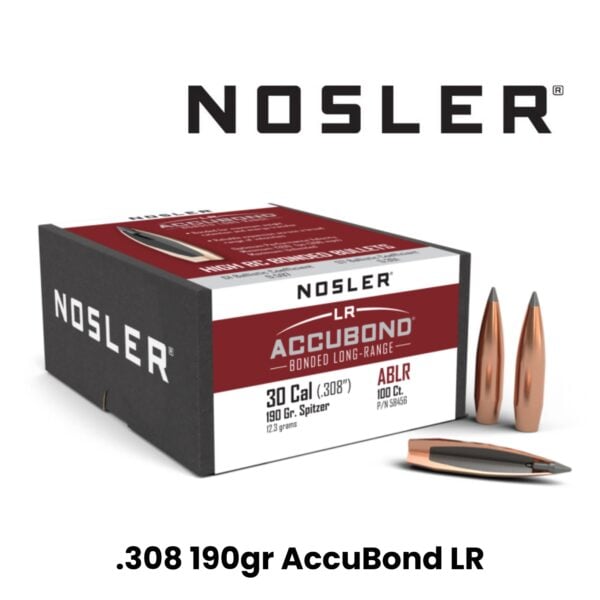
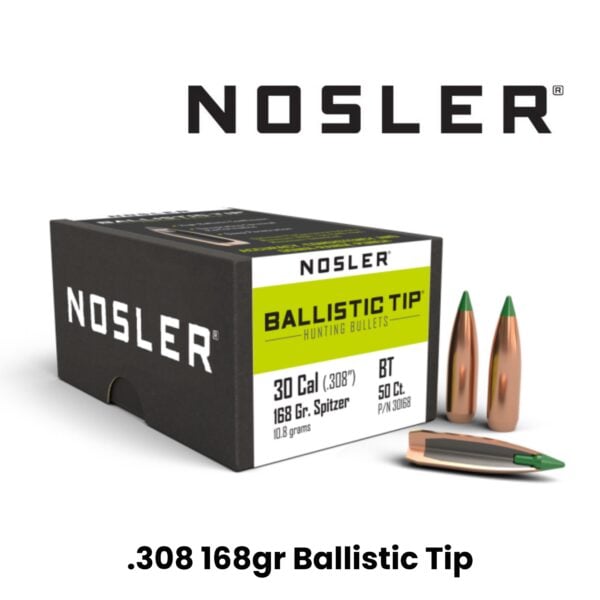
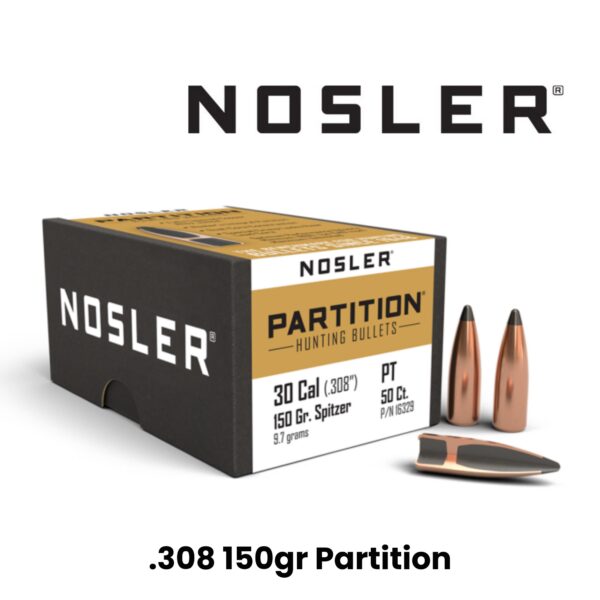
If you're plinking, you could also have the crossover advantage of a bullet that works as a hunting bullet. This PPU 30 caliber 150 grain soft point is an example. For roughly the same price, it will punch holes in paper just fine, and if you wanted to take a whitetail deer with a 308 Win rifle, it could do that too. It has no cannelure, it's meant to expand, and it's a simple cup-and-core bullet, not a bonded one.
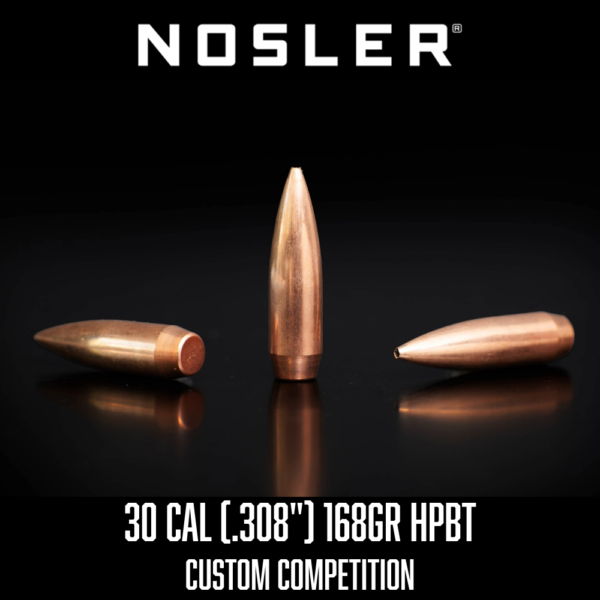
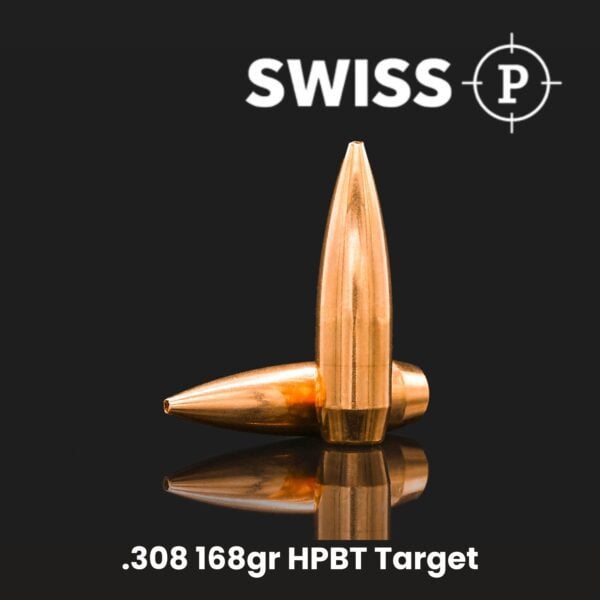
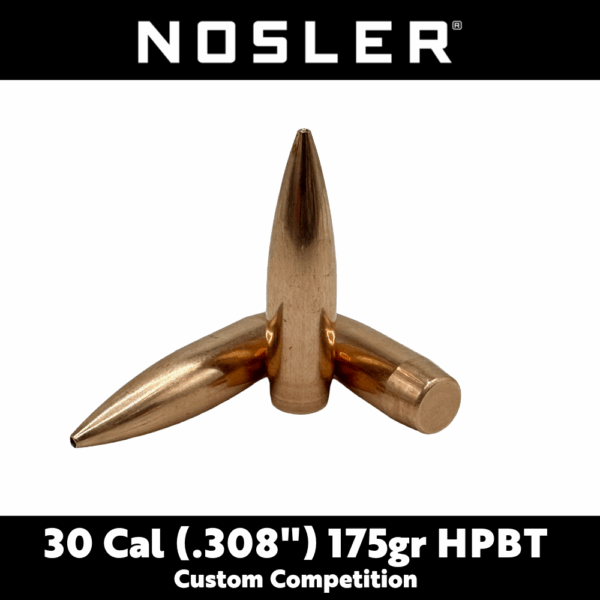
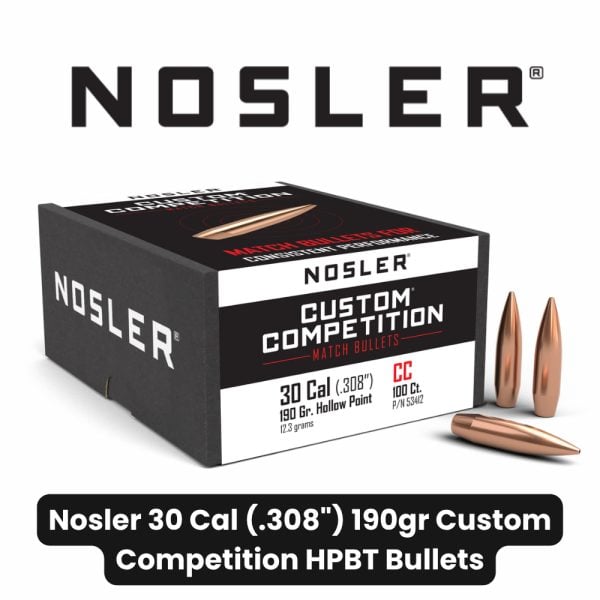
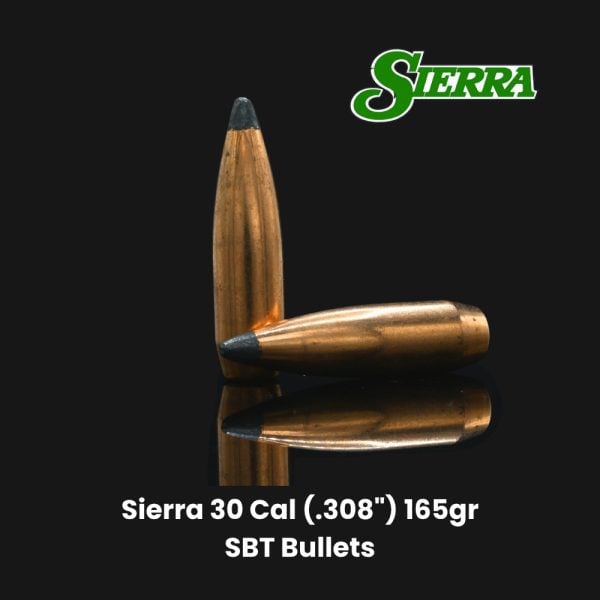
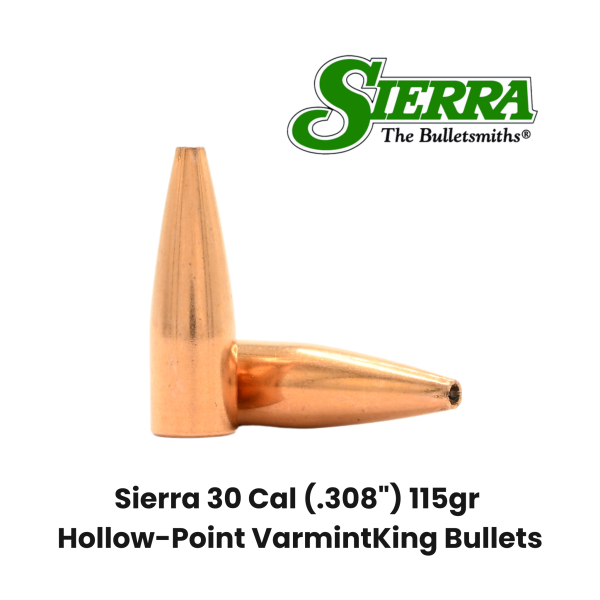
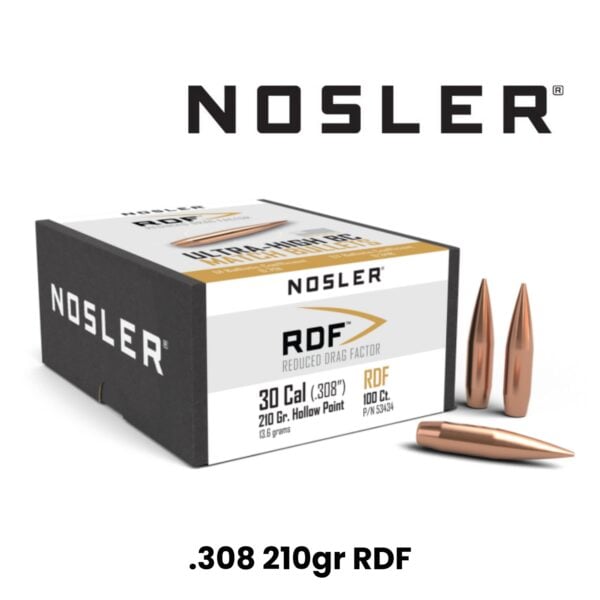
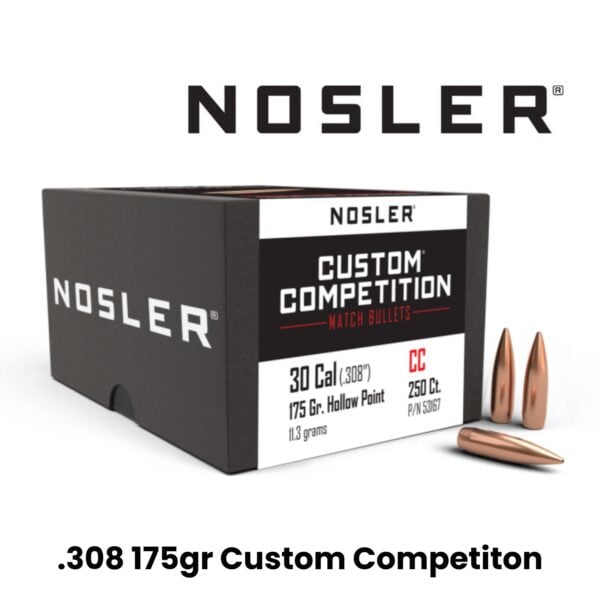
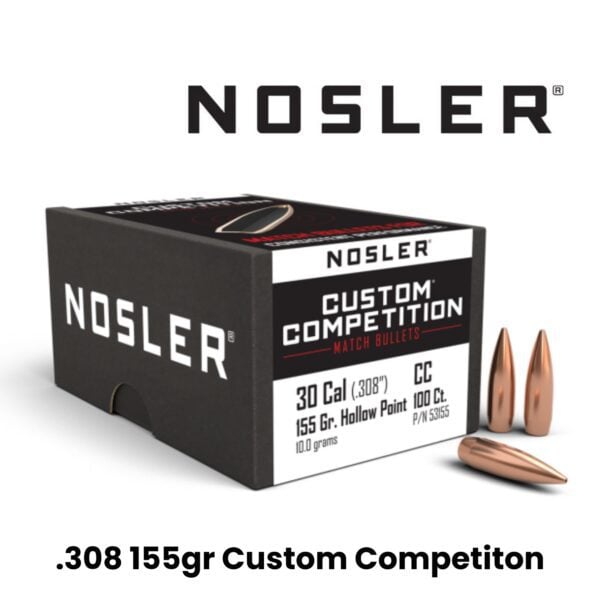
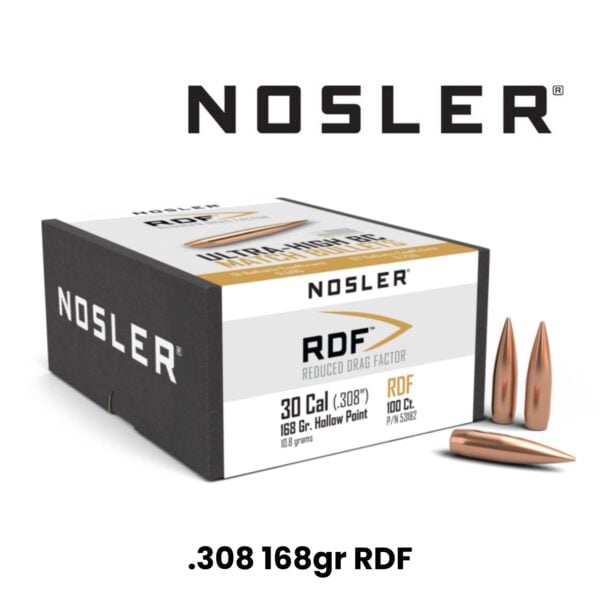
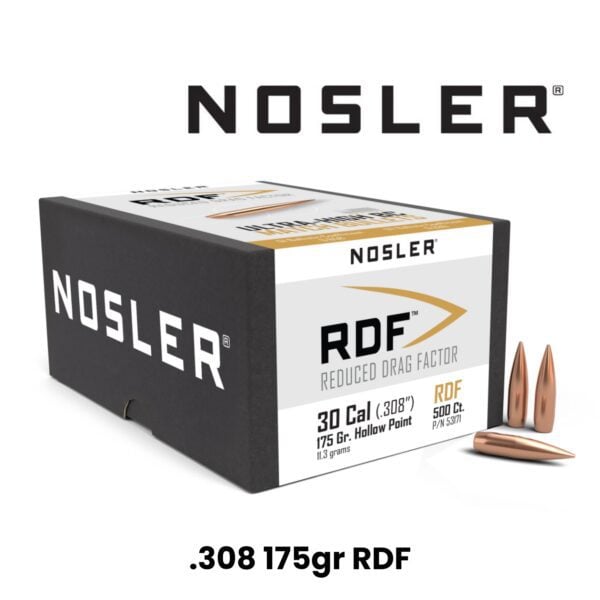
For folks looking to shoot competition or just get really tight groups, one of the first things we ask is what distance you plan to shoot. With 308 Win, if you're trying to reach out to 1,000 yards, the Sierra 175 grain MatchKings are a really good option, because they set a lot of standards and won a lot of competitions. If you're only shooting a few hundred yards, you could save a little money with a 168 grain or one of our 167 grain options. From Sierra MatchKings to Nosler Custom Competitions, these are hollow point boat tails. They cost more than an FMJ, but they're built to be much more precise.
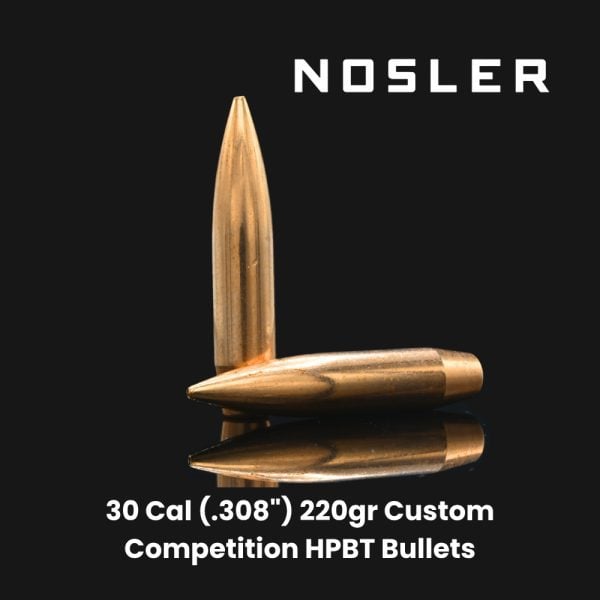
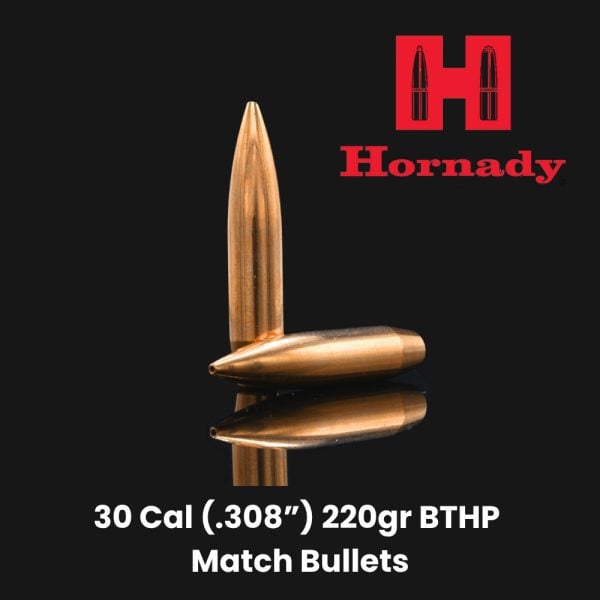
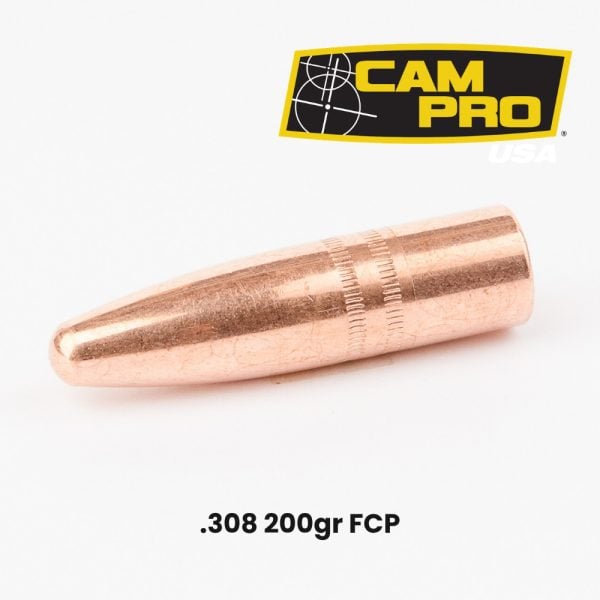
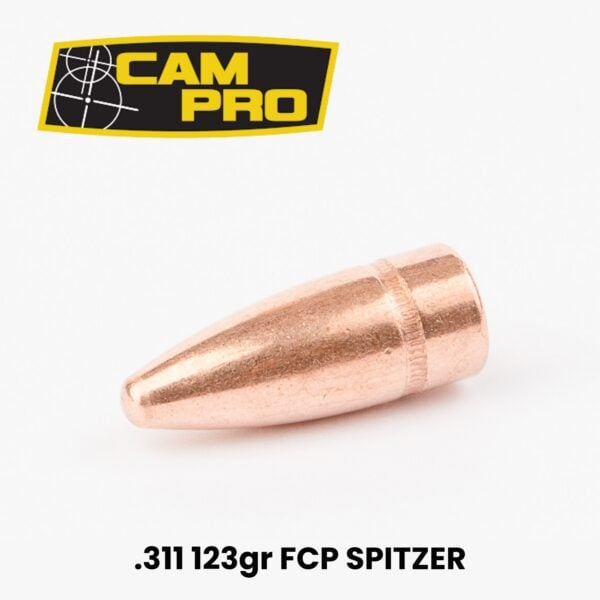
The 220 grain bullets are also very popular for 300 Blackout. Inside 200 yards, you can use these subsonic bullets pretty effectively. Folks ask why they'd buy a jacketed 220 grain hollow point boat tail over one of our really popular CamPro 30 cal 220 grain plated bullets. One reason I like the boat tail for 300 Blackout is that it loads so much easier than a flat base bullet: it slides right into the brass without shaving or crushing a case. A lot of our customers like the CamPro because it's really economical, so they get to shoot a lot more.
30 cal covers quite a range, and just because you can doesn't mean it will give you the intended effect. If you know what you're going to do with the load once it's finished, you can pick the correct bullet. If you're shooting a match with the cheapest bullets available, you're not going to get the desired results. Always start with published load data from your bullet's manufacturer.
Hide transcription▲