300 Blackout Bullets & Brass

Subsonic and supersonic 300 Blackout reloading components, chosen by how you shoot.

300 Blackout Bullets: Subsonic vs Supersonic, and How to Choose

300 Blackout (also called 300 AAC Blackout or 300 BLK) uses standard .308-diameter bullets, so the right bullet for reloading depends on whether you shoot subsonic or supersonic. Bill walks through choosing 300 Blackout bullets: heavy 200–220gr bullets for quiet, suppressed subsonic loads, lighter 110–125gr...

300 Blackout Reloading FAQ

It depends on how you'll shoot it. Suppressed and quiet means a heavy subsonic bullet, usually 200 to 220 grain. Unsuppressed, or hunting with more speed, means a lighter bullet, usually a 110 grain or 125 grain 300 Blackout bullet. Start with the use case, then choose the bullet. Bill covers both in the video above.

Subsonic loads stay below the speed of sound, so there's no supersonic crack. They pair with a suppressor for quiet shooting and use heavy bullets. Supersonic loads use lighter bullets at higher speed for a flatter trajectory, and they work with or without a suppressor.

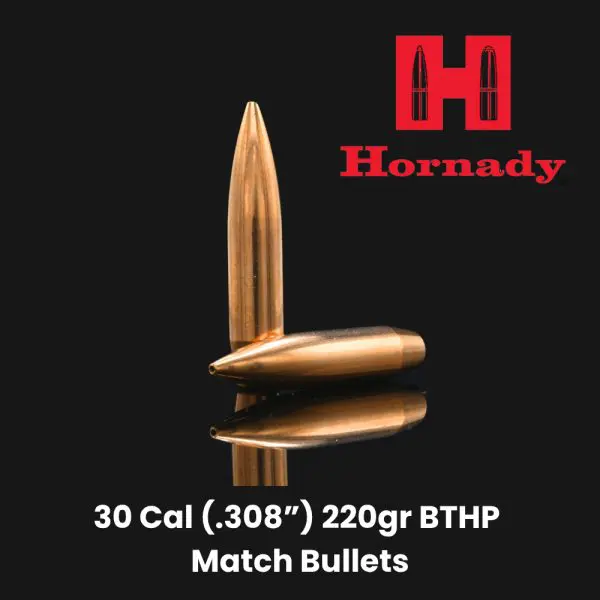
Heavy bullets, usually 220 grain 300 Blackout bullets (200 grain also works). You also need a barrel twist fast enough to stabilize them, and in a semi-auto, a load that still cycles the action reliably while staying subsonic. A chronograph is a big help.

Long 300 Blackout bullets sit deep in a short case. A boat tail's tapered base guides the bullet in straight. A flat-base bullet that's slightly misaligned can crush the case mouth or shave plating off the bullet. That's why a boat tail is a good first bullet for new 300 BLK loaders.

Yes, for range plinking, and many people do. It's a compromise, though: too light for quiet subsonic loads and too heavy for fast supersonic ones. For best results, choose 200–220gr for subsonic or 110–125gr for supersonic.

We don't recommend it. Our 30 caliber 110gr round-nose bullets are designed for the M1 Carbine, and in a 300 Blackout case they probably won't feed and chamber reliably. Choose a bullet designed for 300 Blackout.

No. A copper bullet is longer than a lead-core bullet of the same weight, so it takes up more room in the case, which raises pressure. Always use load data published for the exact bullet you're loading.

Use load data published by the bullet and powder manufacturers for your exact bullet and powder, and stay within the published range. Many publish separate subsonic and supersonic data for 300 Blackout. When Bill talks in the video about "working down" for subsonic loads, he means working within published subsonic data to find the lightest load that still cycles your rifle reliably, never below the published minimum. We don't publish load data. Our reloading forum (forum.ravenrocksprecision.com) is a good place to compare notes with other shooters on less common bullets.

Any brass that's in spec will work. New brass saves you the work of converting 5.56 cases, and primed brass skips the priming step. Look for new, primed brass if you want to get straight to loading.

300 Blackout Brass & Bullets by How You Shoot.

300 Blackout Brass

Brass is the easy part: as long as it’s in spec, it will work. New brass (not converted from 5.56) skips the case-conversion work, and primed brass skips the priming step, so you get straight to the choice that matters most: the bullet.

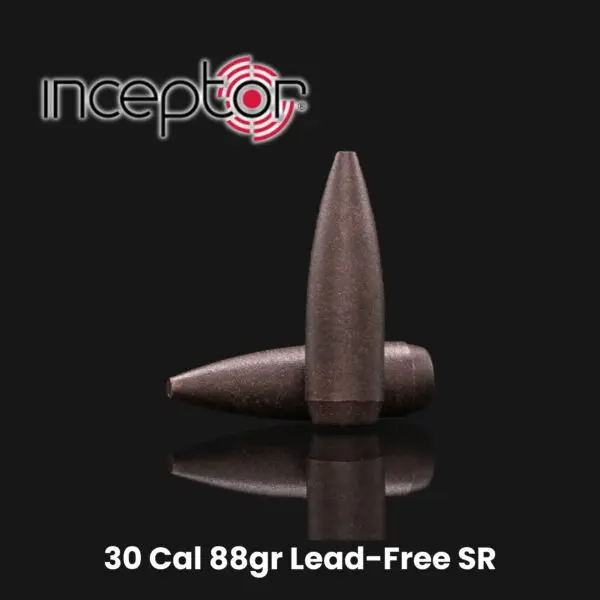
Subsonic 300 Blackout Bullets (200–220 grain)

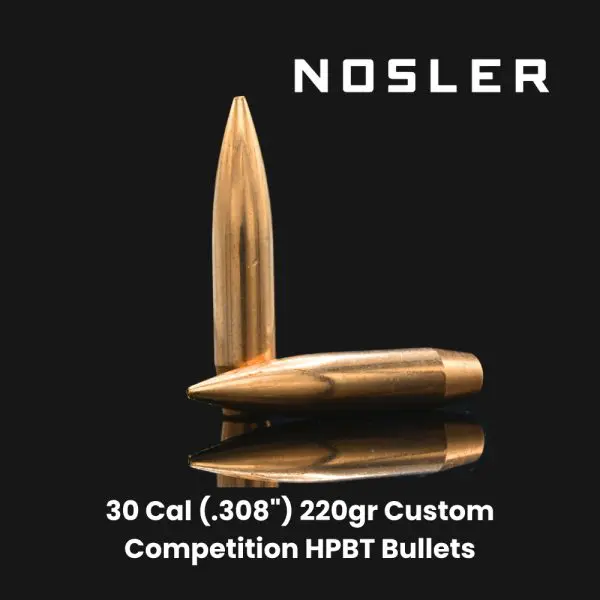
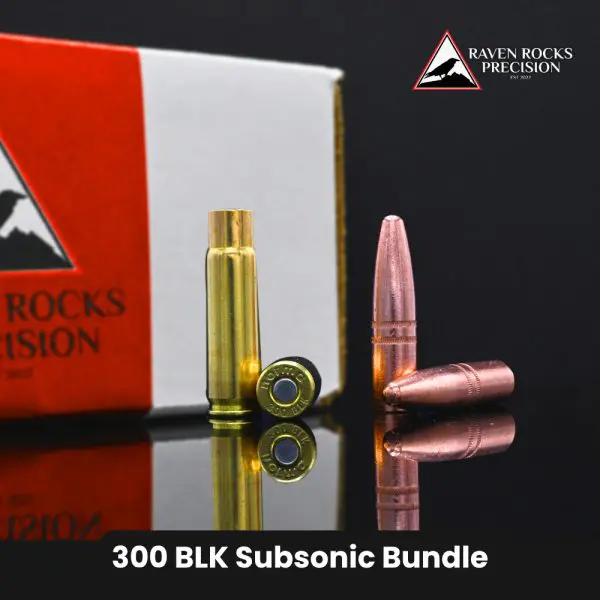
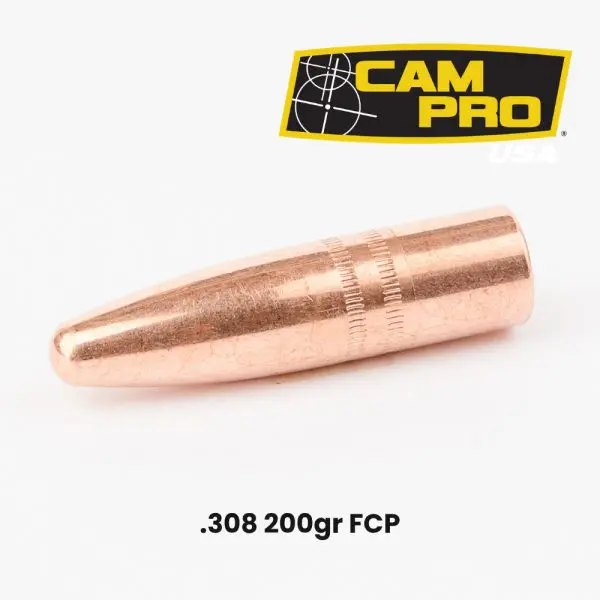
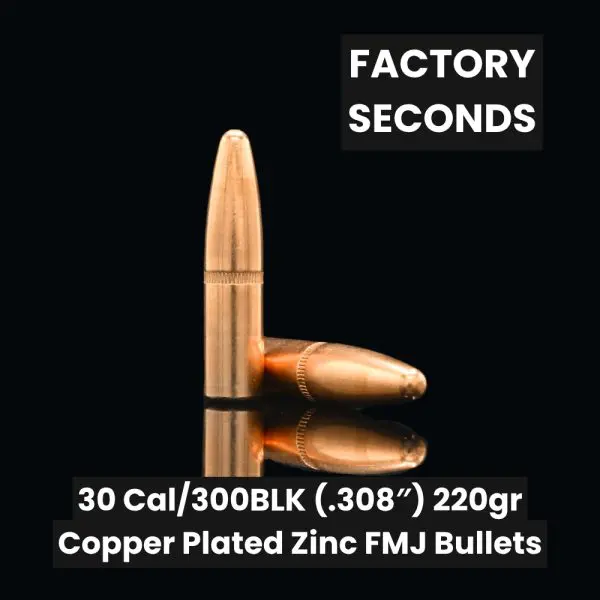
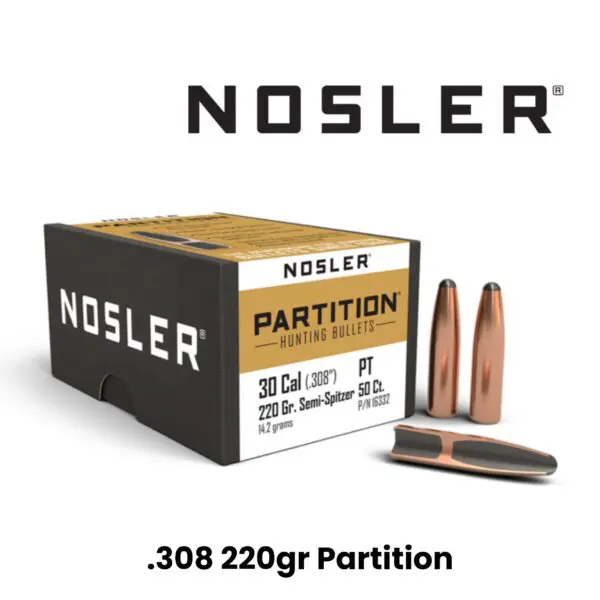
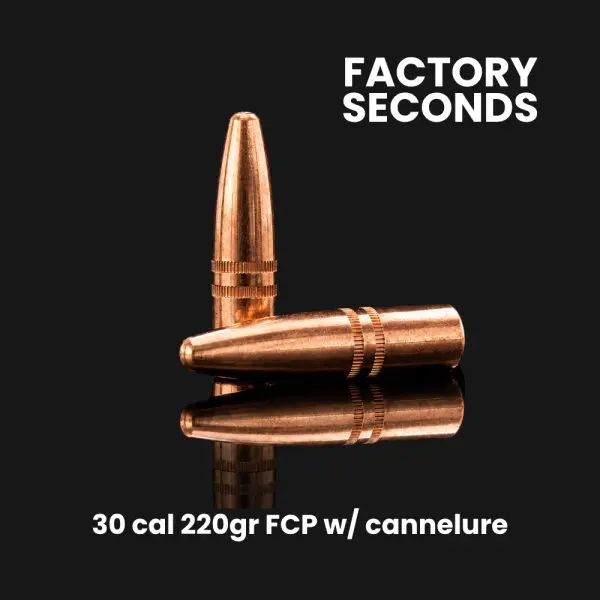
For quiet, suppressed shooting, you need a heavy bullet loaded below the speed of sound and a barrel twist fast enough to stabilize it. Our most popular subsonic choice is a factory-seconds 220gr copper-plated bullet: thick plating, and the same style of bullet used in commercial ammunition. As factory seconds, each one has a cosmetic blemish or minor performance issue, which makes them a smart pick for high-volume practice. For the easiest seating, choose a 220gr boat tail, like the Nosler Custom Competition that Bill uses for his own subsonic loads. Flat-base bullets can crush a case or shave plating if they’re not seated straight.

Supersonic 300 Blackout Bullets (110–125 grain)

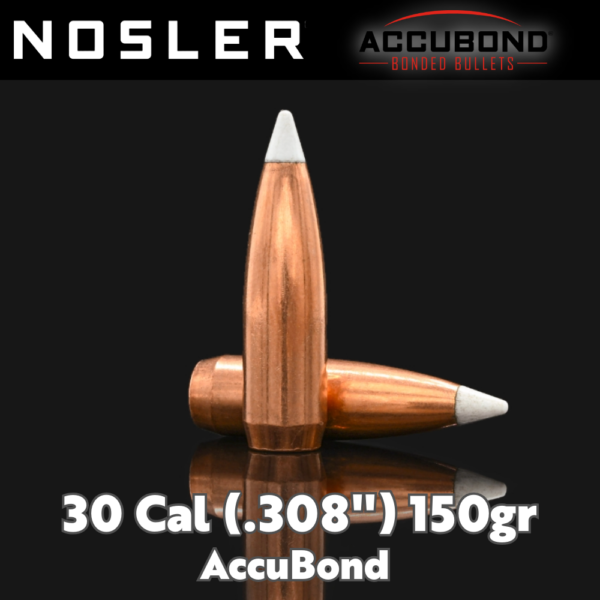
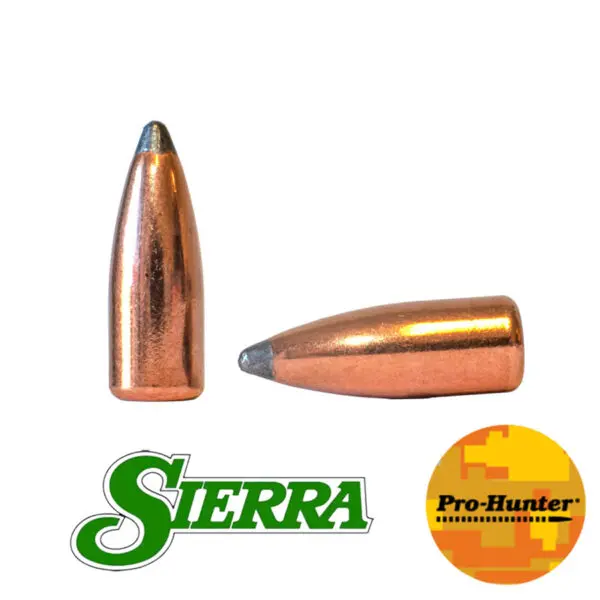
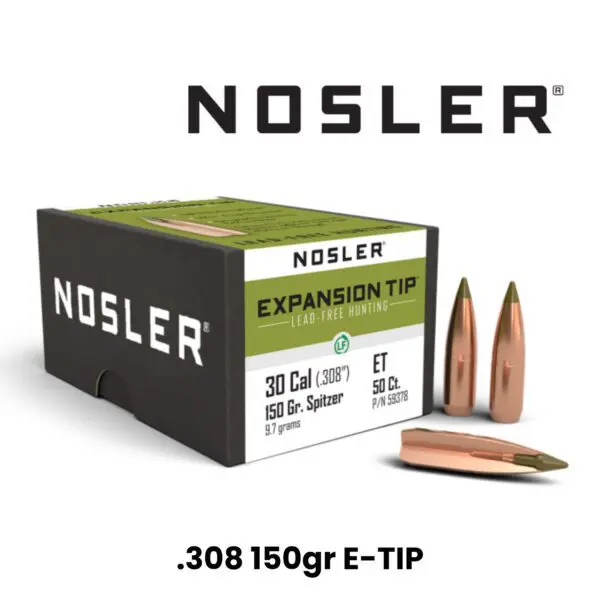
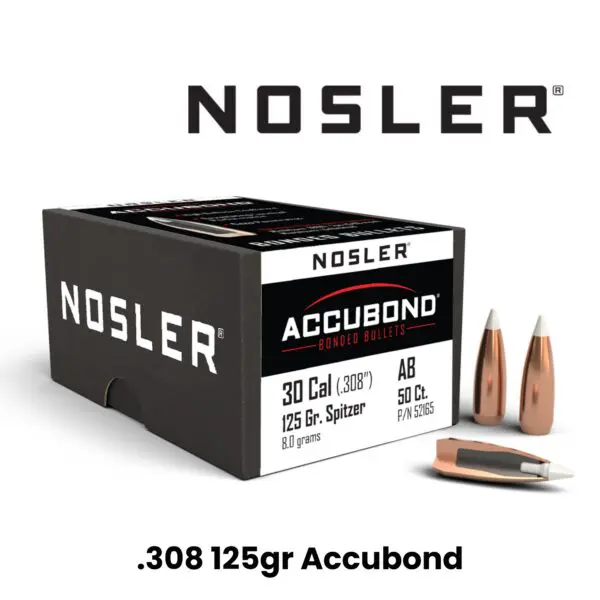
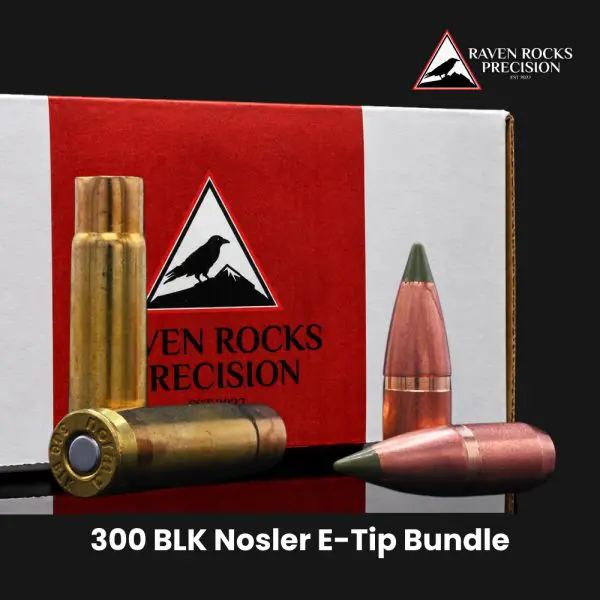
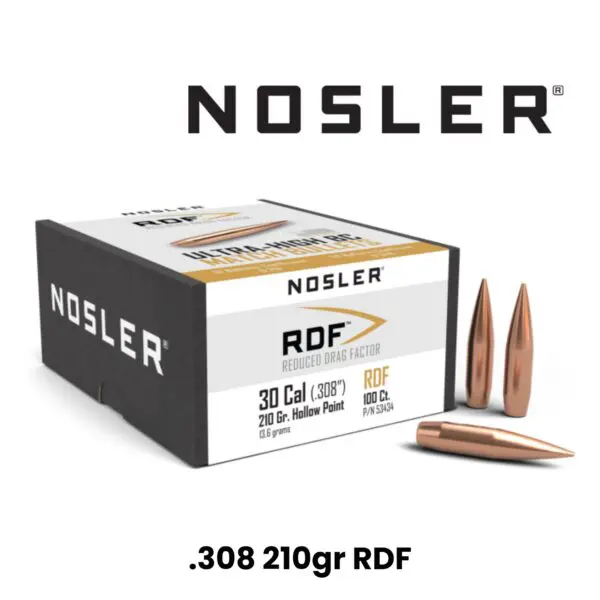
Shooting unsuppressed, or want more speed for hunting? Go lighter. Bill starts at 125 grains and works down from there. Soft-point and bonded bullets like the Sierra Pro-Hunter and Nosler AccuBond are proven hunting choices, and copper bullets like the Nosler E-Tip are lead-free options. Copper bullets are longer than lead-core bullets of the same weight, so always use load data published for that exact bullet.

300 Blackout Range & Plinking Bullets

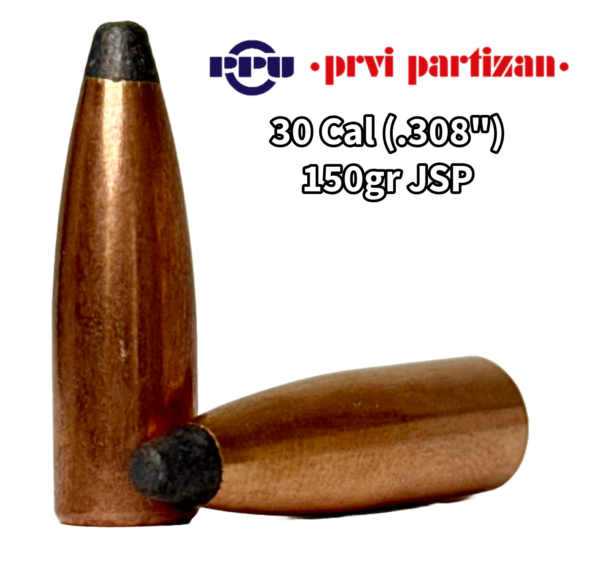
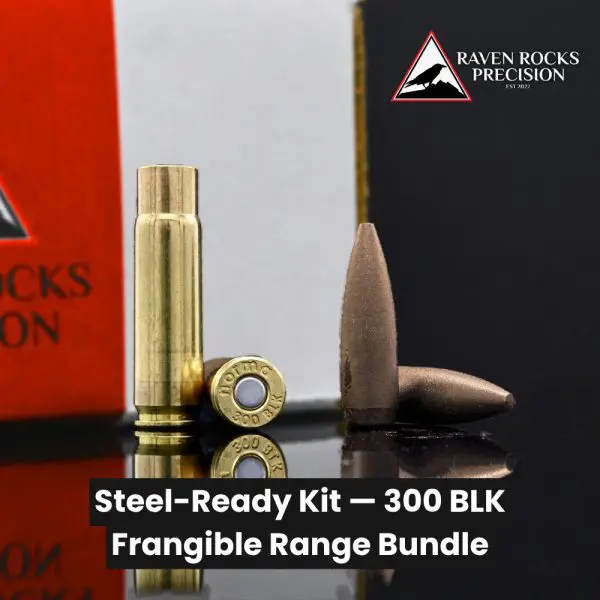
Just want to ring steel and punch paper? The factory-seconds 147gr FMJ boat tail, the classic M80-style bullet, works in 300 Blackout for range plinking. Bill calls it a compromise: too light for subsonic and too heavy for fast supersonic. For a dedicated steel day, frangible bullets are built to break apart on impact.

Picture of Bill Bogner

Bill Bogner

Co-Founder, Raven Rocks Precision

Bill Bogner is the co-founder of Raven Rocks Precision and a recognized expert in reloading supplies and ammunition performance. With a hands-on approach and years of industry experience, Bill has helped establish Raven Rocks as a trusted source for high-quality projectiles among reloaders, instructors, and competitive shooters. This content was created by Bill, with the assistance of AI to ensure clarity, accuracy, and accessibility.