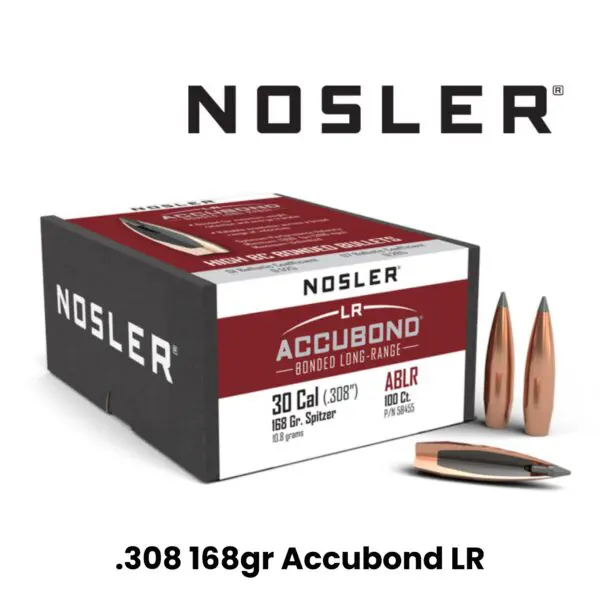
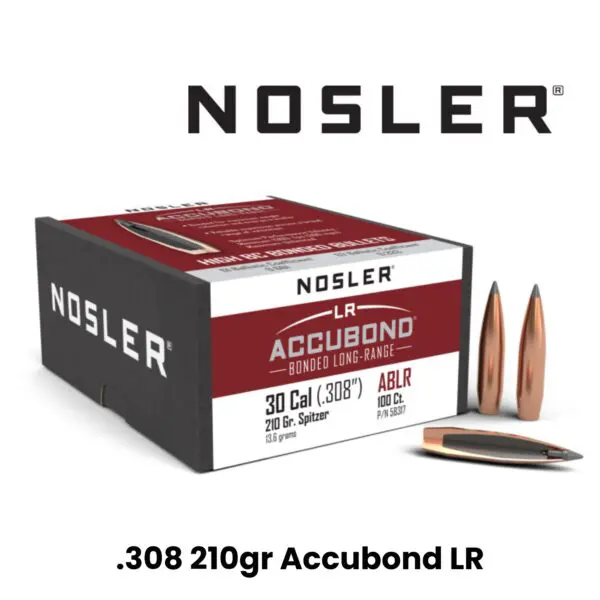
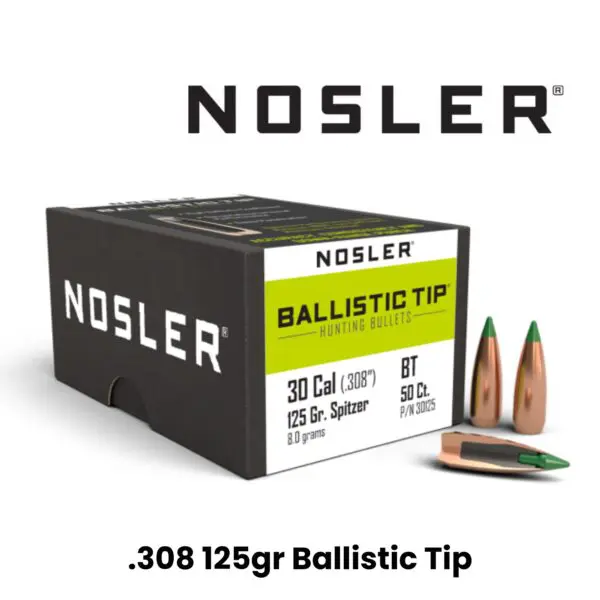
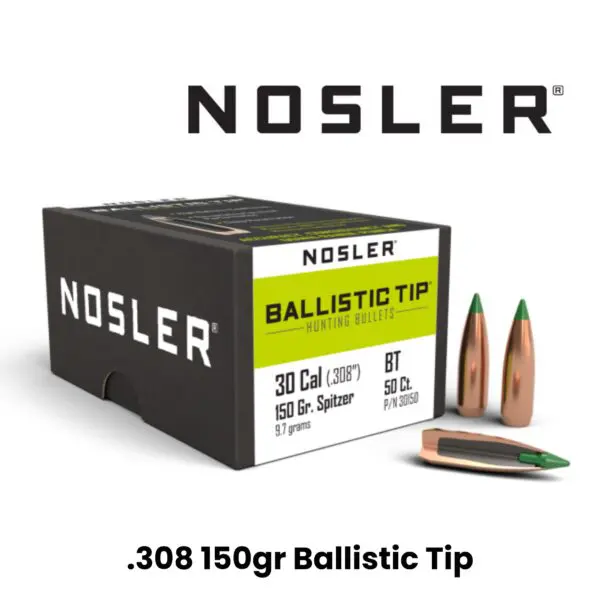
Hey, it’s Bill with Raven Rocks Precision and today I have 30-caliber bullets in front of me — one of the most popular bullet calibers in the world. They’ve been used in everything from wars to precision shooting to casual target practice. Versatility is a key attribute of .30-cal bullets. Today we’ll talk about different kinds of .30-cal bullets, their applications, and why some are more popular than others.
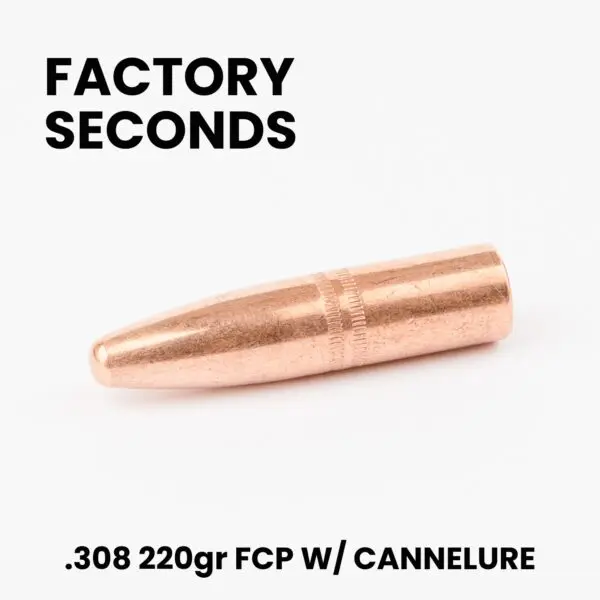
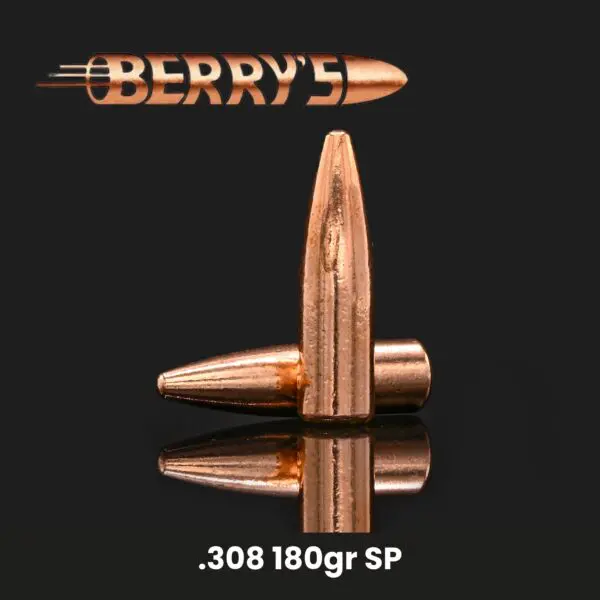
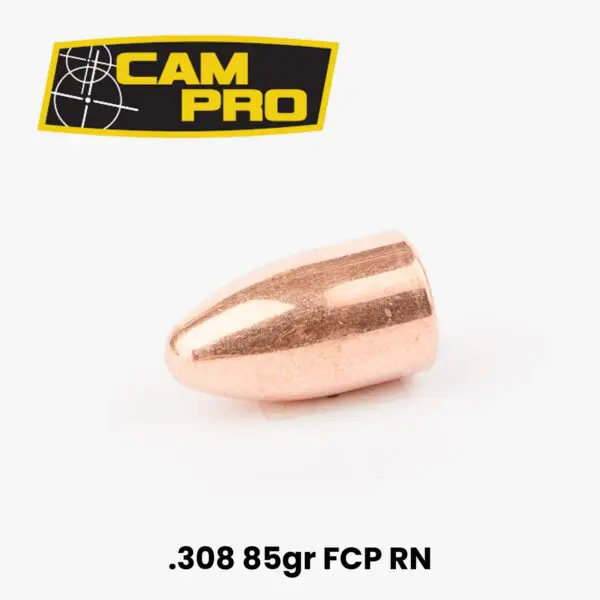
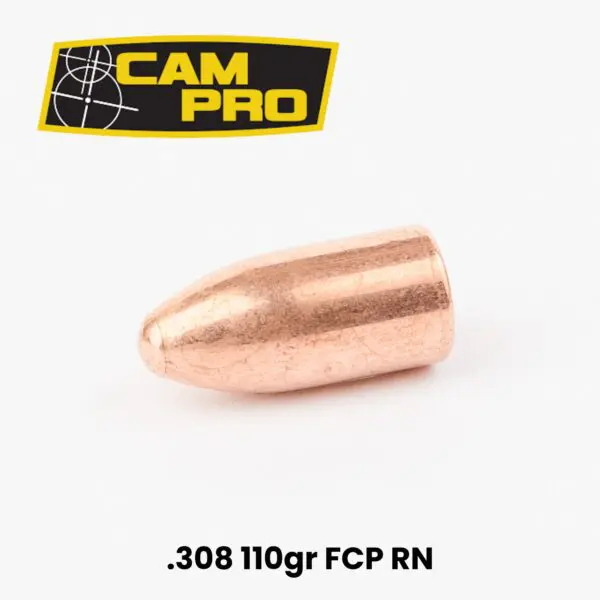
First, an economical option: plated bullets. In front of me I have a Berry’s 30-cal 180-grain plated bullet. Plated bullets are cost-effective and similar to coated lead-cast bullets, but the copper plating makes them more resilient and allows slightly higher velocities with typically less lead fouling. Plated bullets are common in heavier grains, up to 220 grains — like the Campro 220-grain FCP bullets — and they work very well for .300 Blackout subsonic loads. Many shooters prefer subsonic .300 Blackout because it’s quieter.
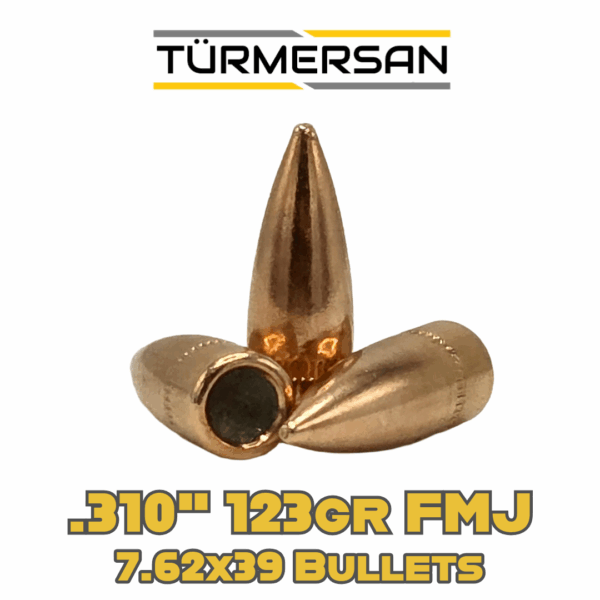
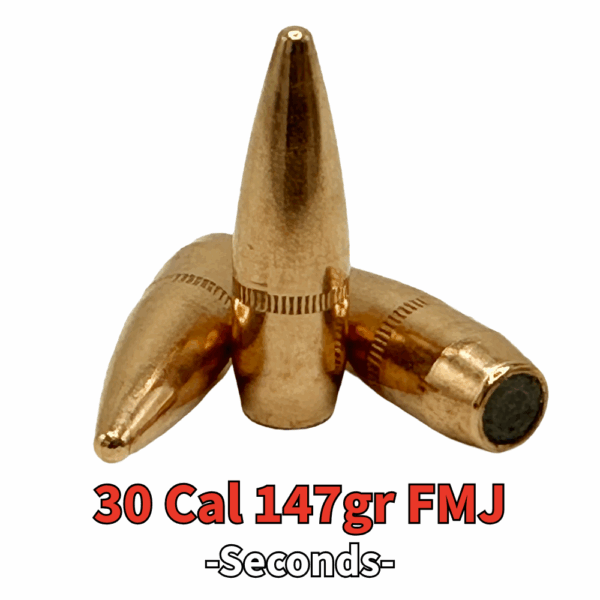
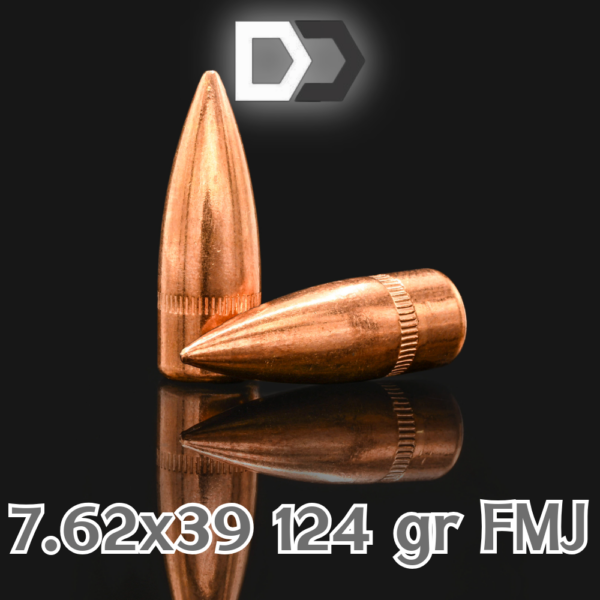
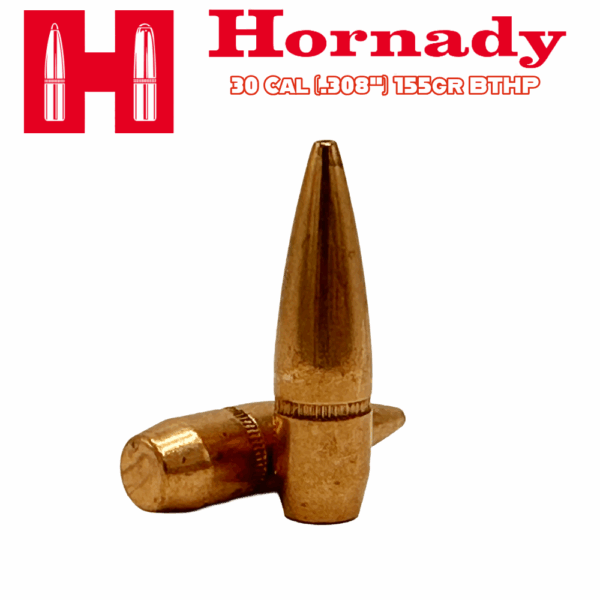
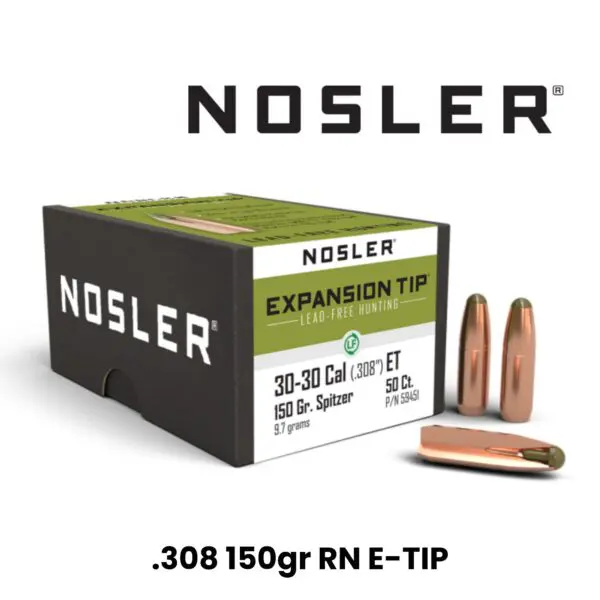
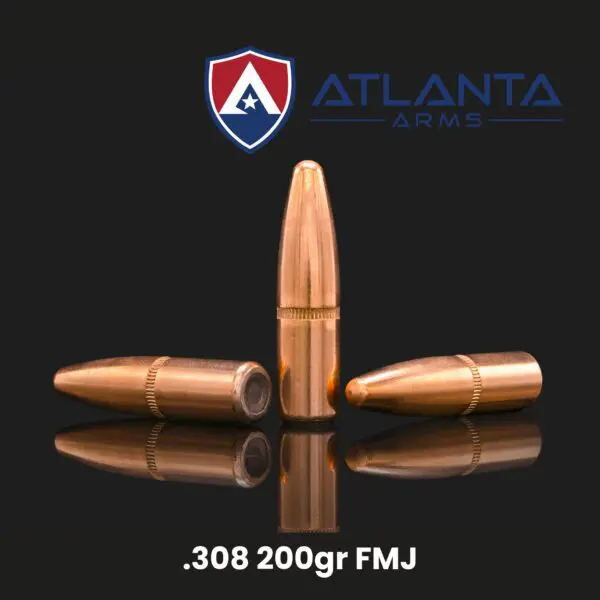
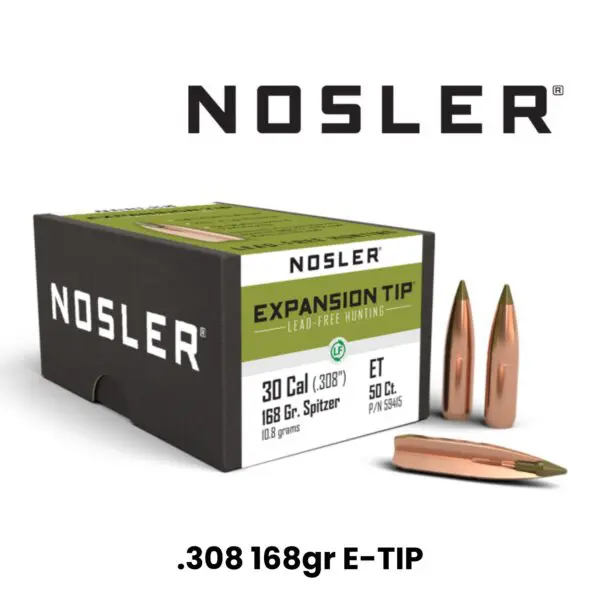
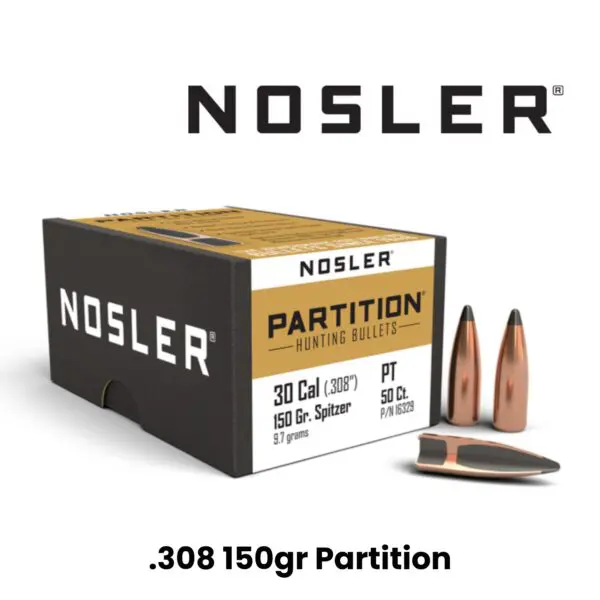
Next step up are jacketed bullets. A common example is the ball FMJ used in M80 ammunition (7.62×51 NATO), typically around 147–150 grains with a cannelure. These are plain but economical, and can be loaded in platforms from .308 Winchester to, less ideally, .300 Blackout. From FMJ, we move into hunting bullets. Whether it’s .30-06, .308 Winchester, .300 H&H or similar, .30-cal bullets have long been used to take game from deer to much larger animals when paired with sufficient velocity.
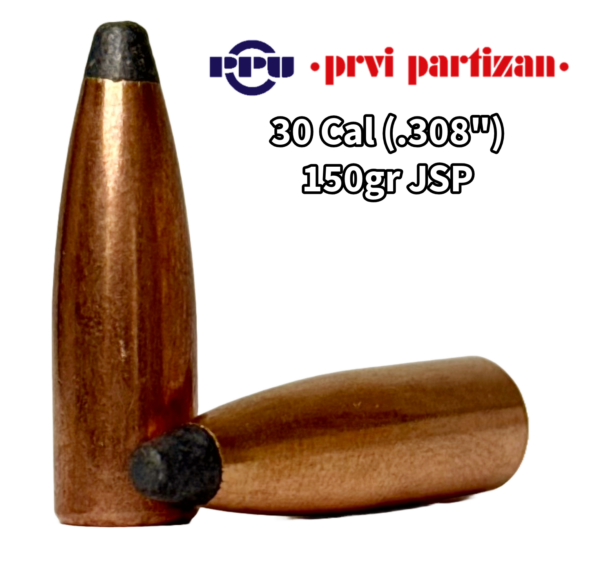
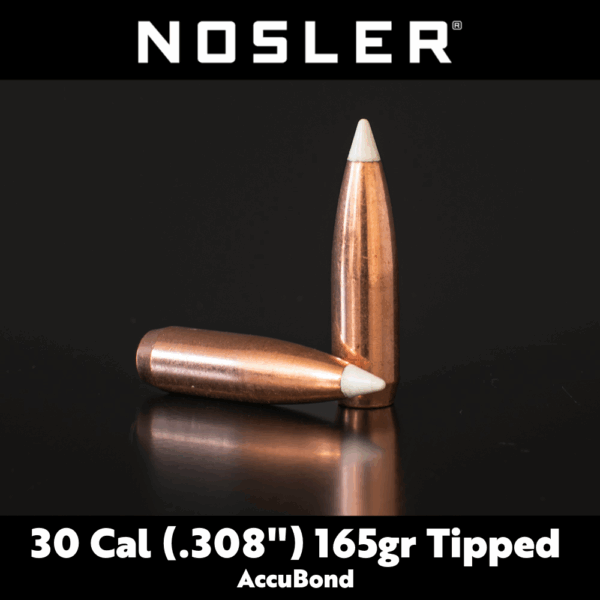
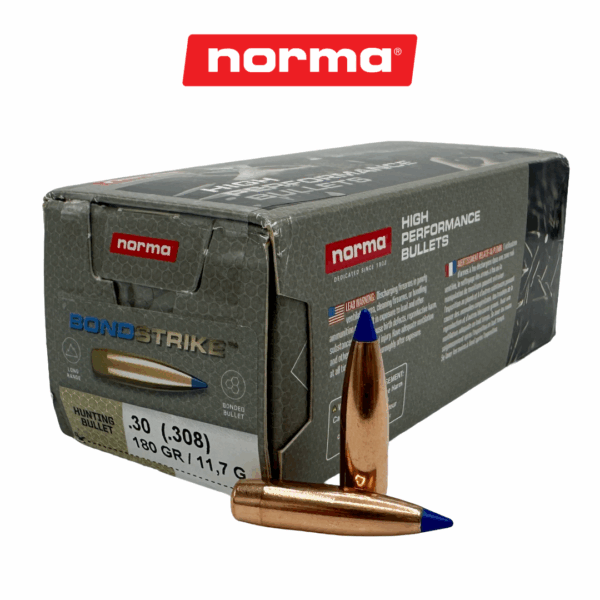
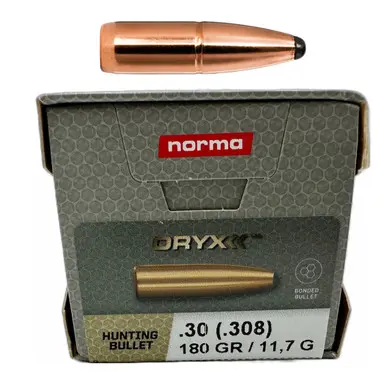
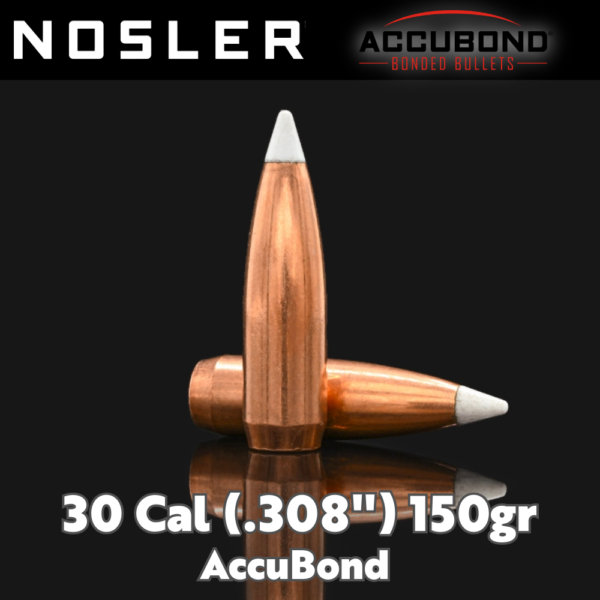
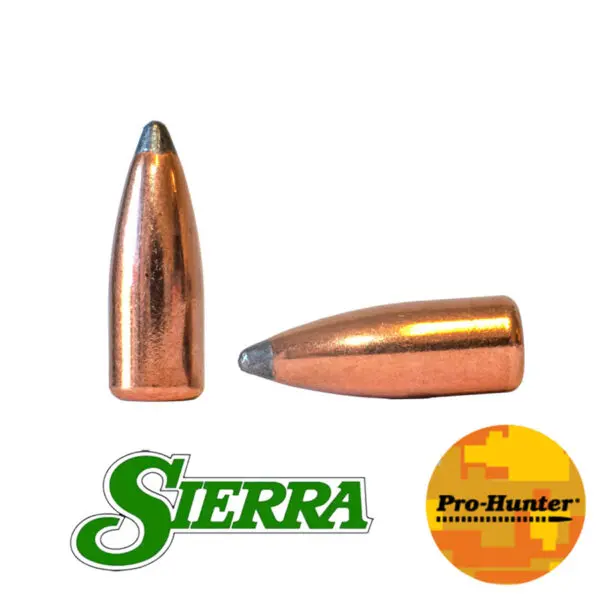
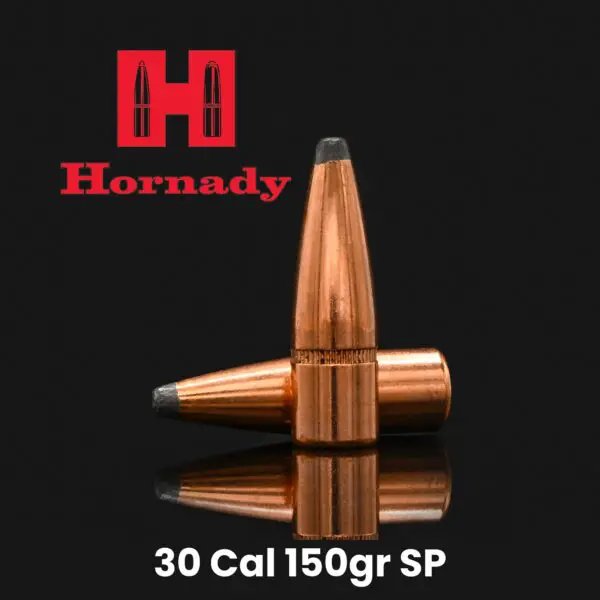
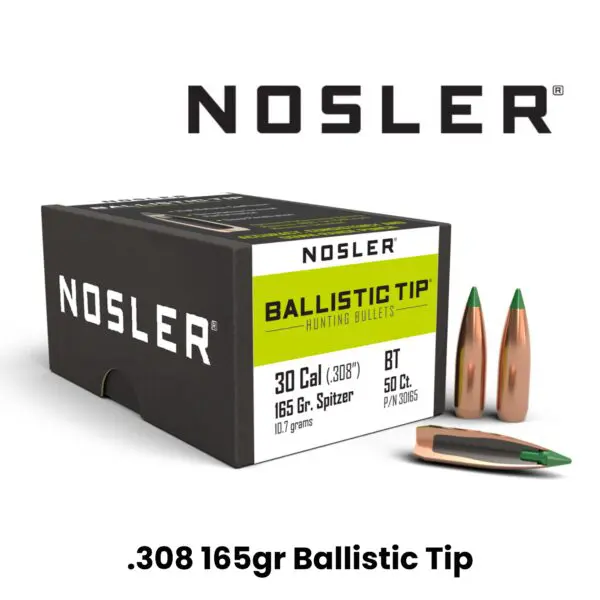
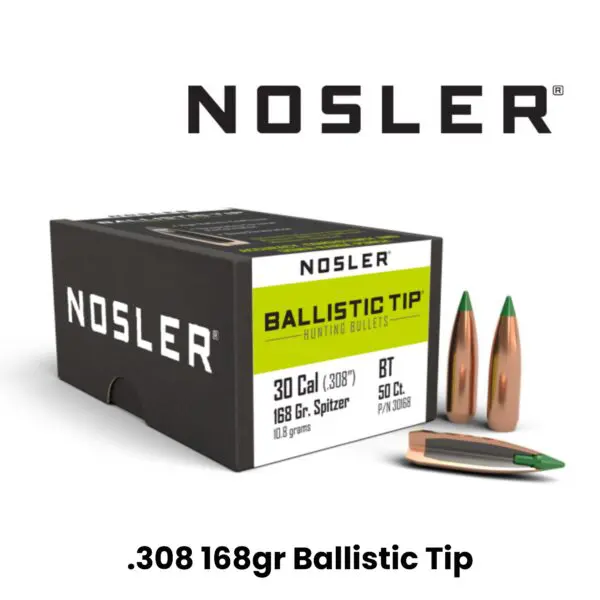
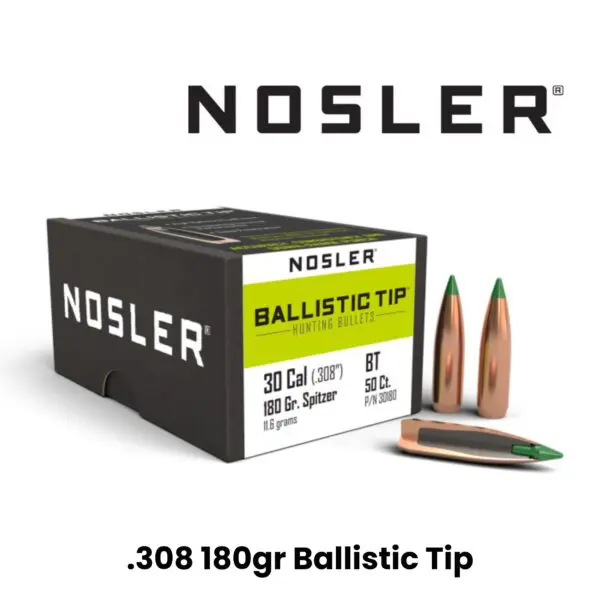
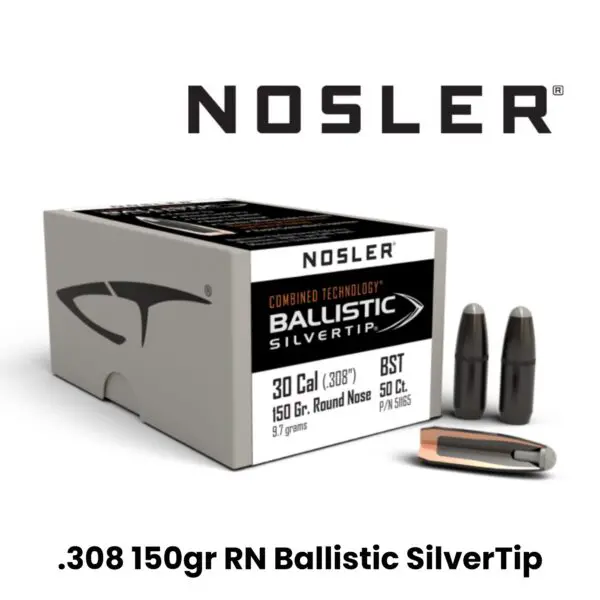
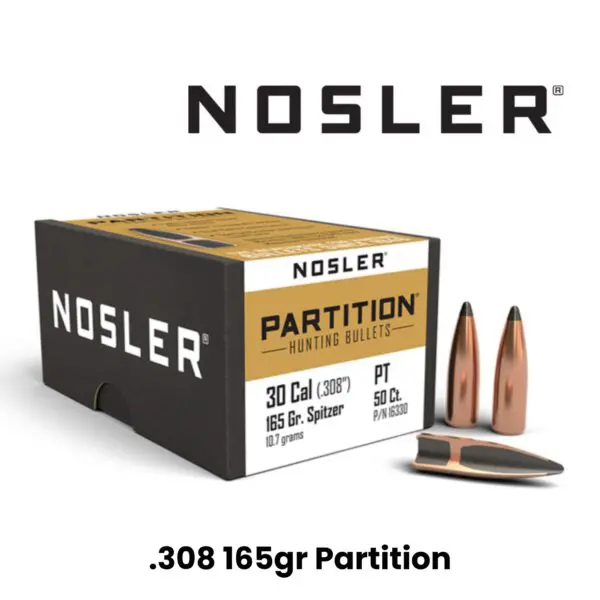
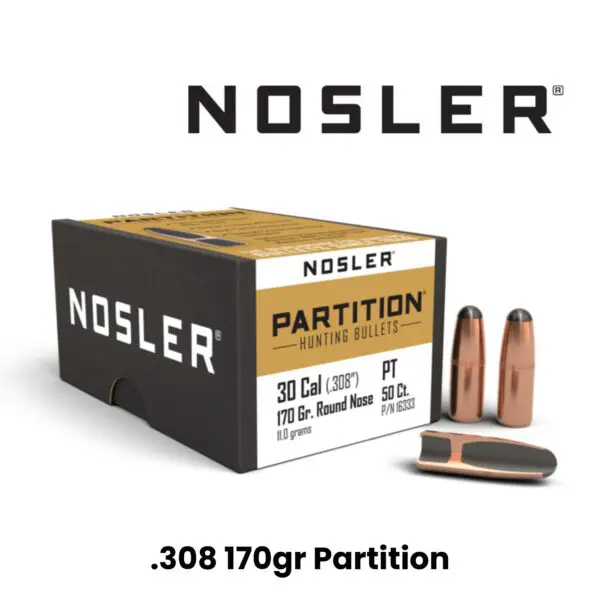
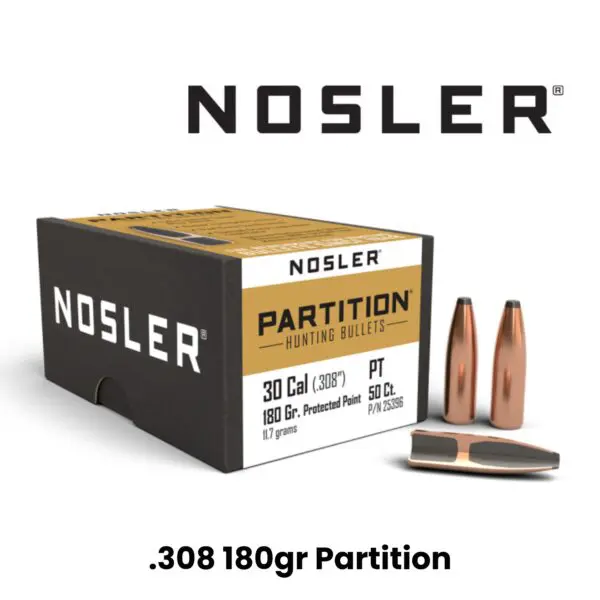
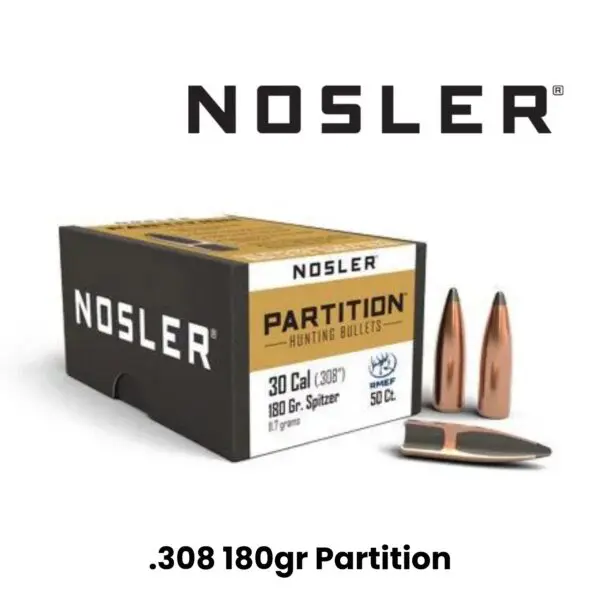
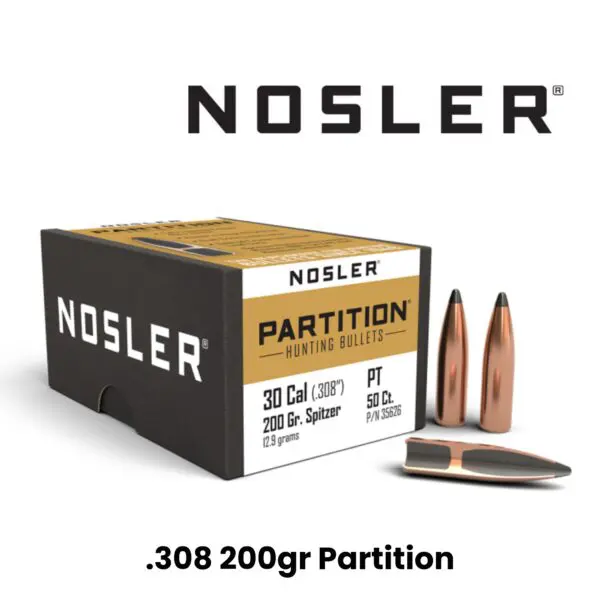
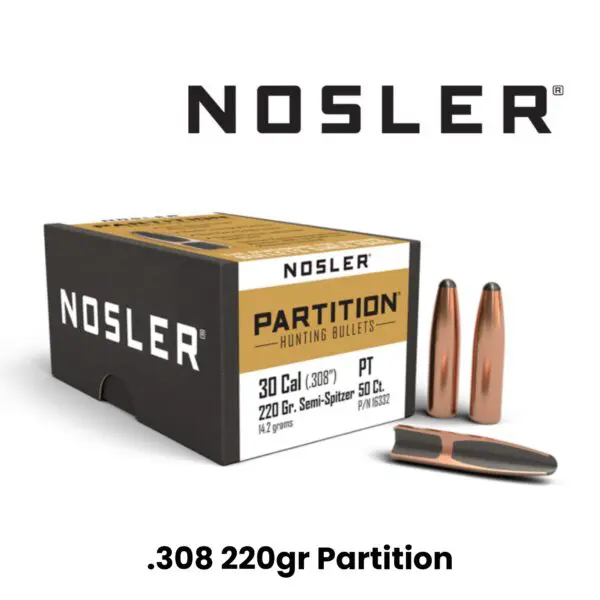
A less commonly known maker is Woodley in Australia, known for dangerous-game offerings. Woodley also makes .30-cal options — for example, a 308-grain protective-point soft-nose with a bonded core for increased weight retention and more reliable terminal performance on larger, tougher animals. Other hunting options include bonded designs from Europe — for instance, a 180-grain bonded bullet made in Sweden — plus many domestic bonded bullets. There are also economical 150-grain spire-point bullets that are good for smaller to medium-sized game and for inexpensive training.
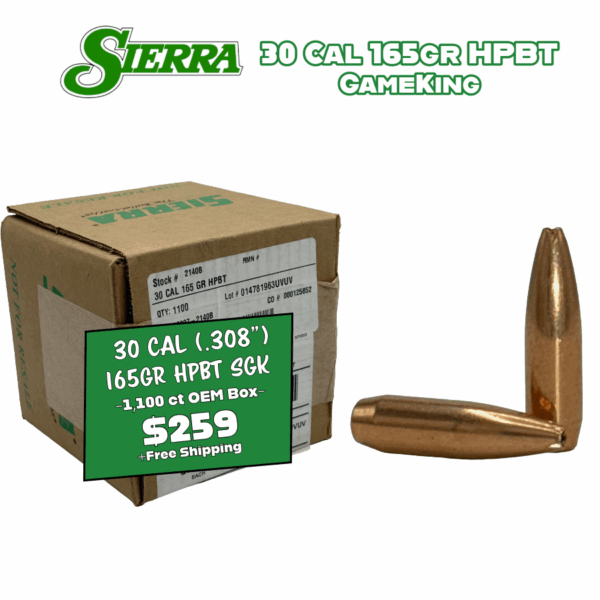
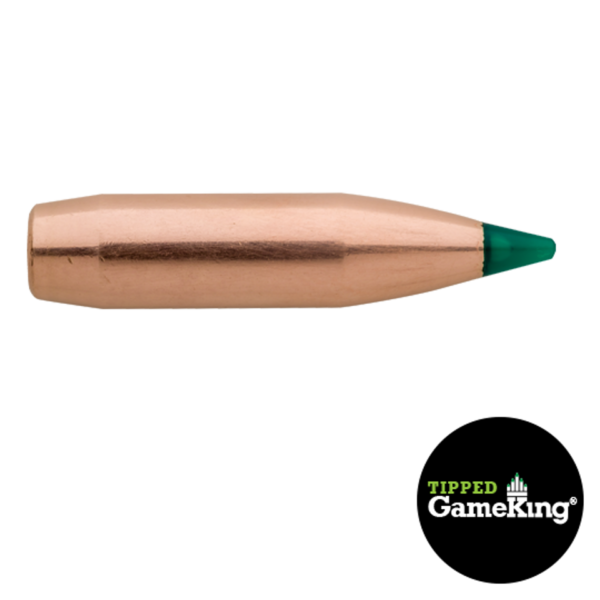
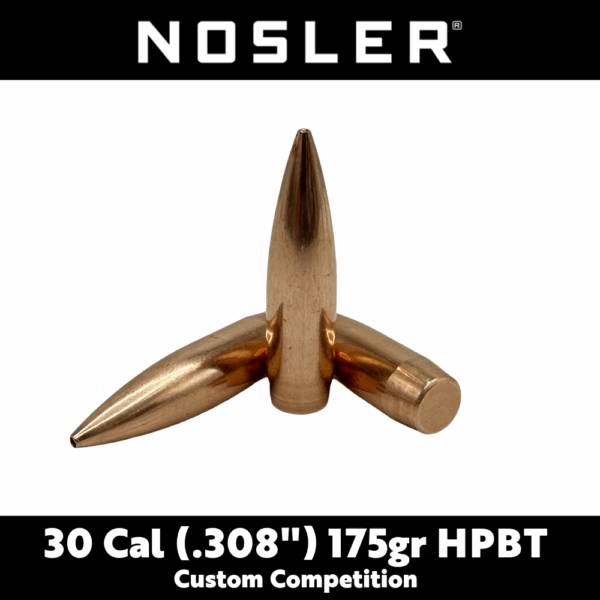
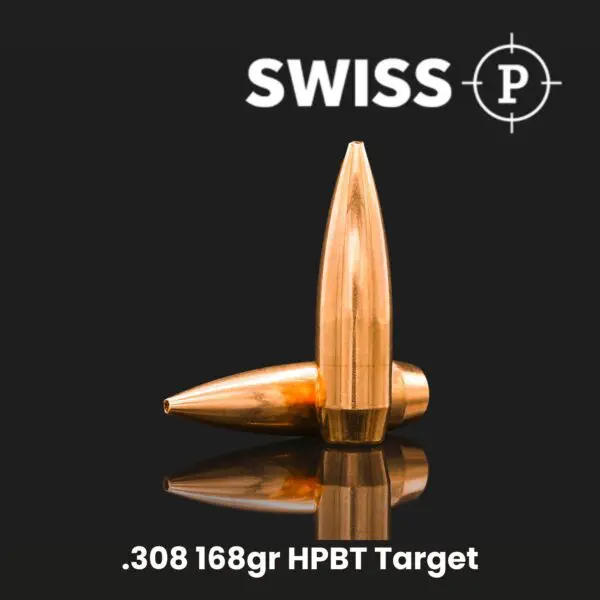
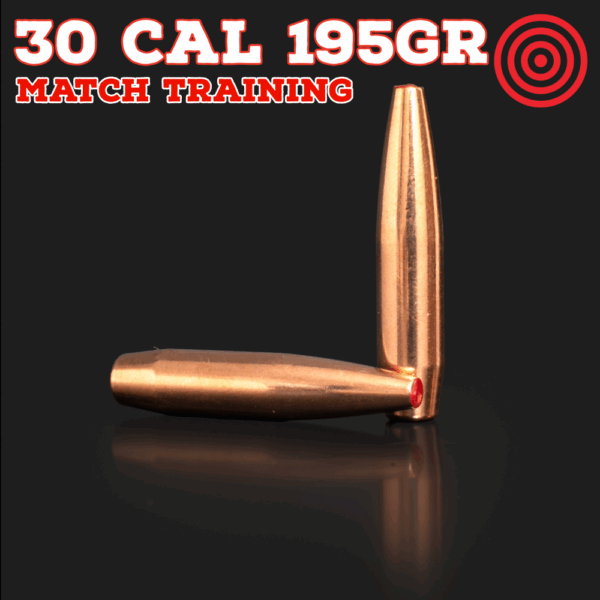
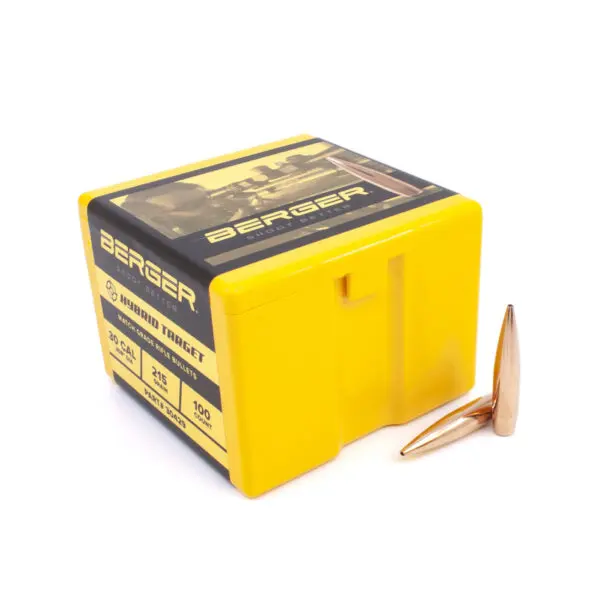
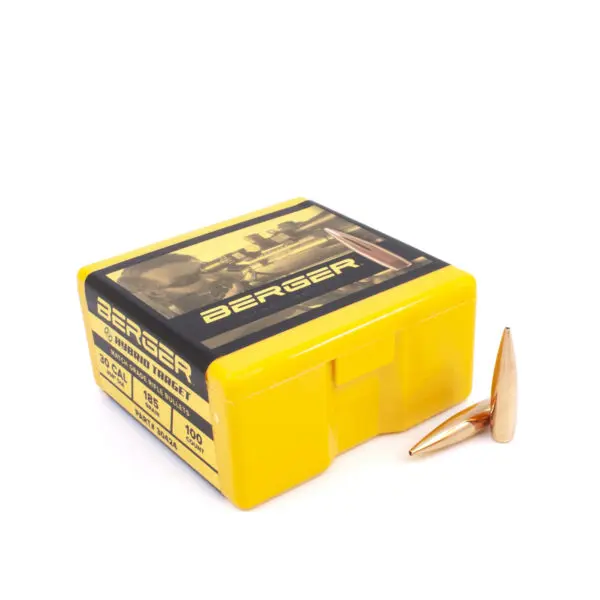
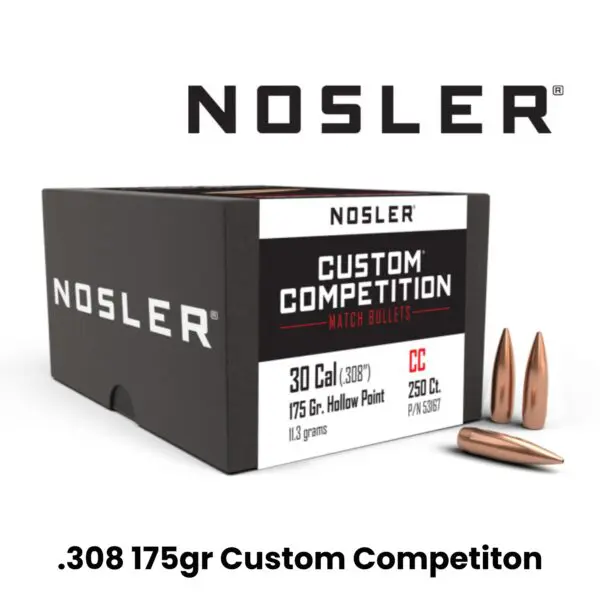
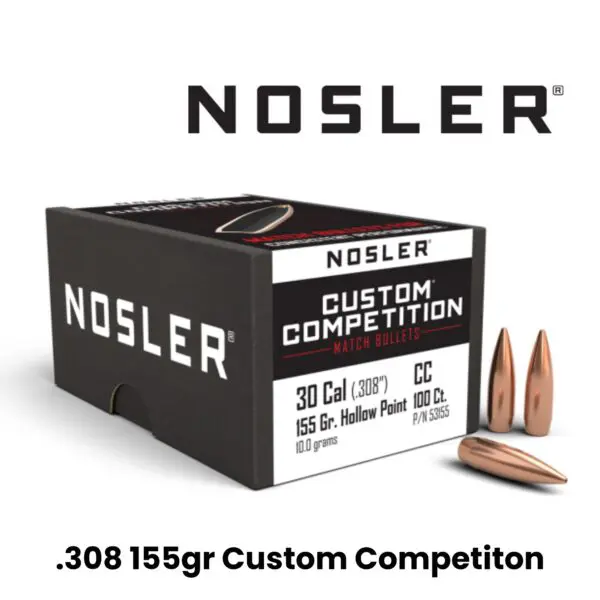
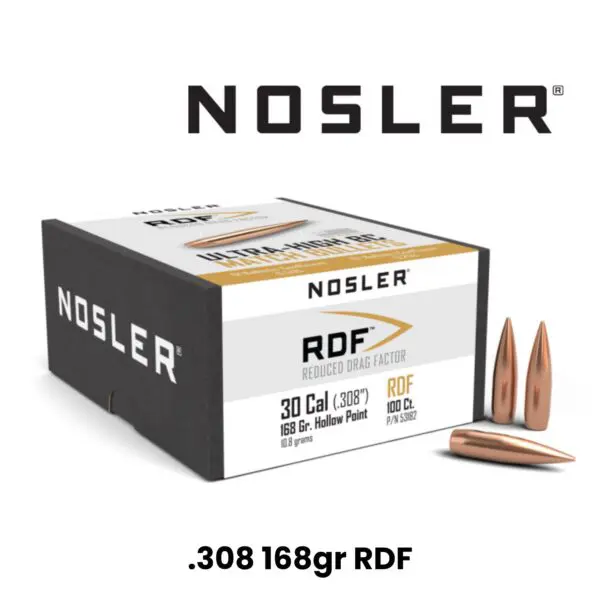
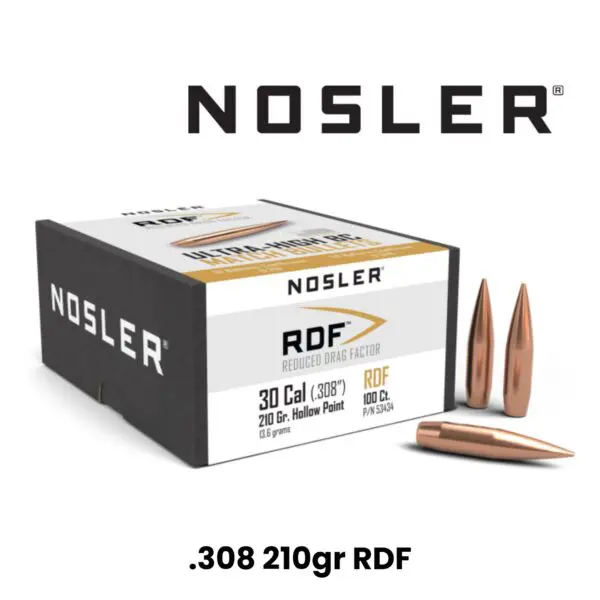
For target shooters, brands like Sierra (MatchKing, e.g., 190 grains) and Berger (hybrid target designs, e.g., 215 grains) have excellent reputations among precision shooters. Those designs are staples in the precision community, but they’re not the only choices.
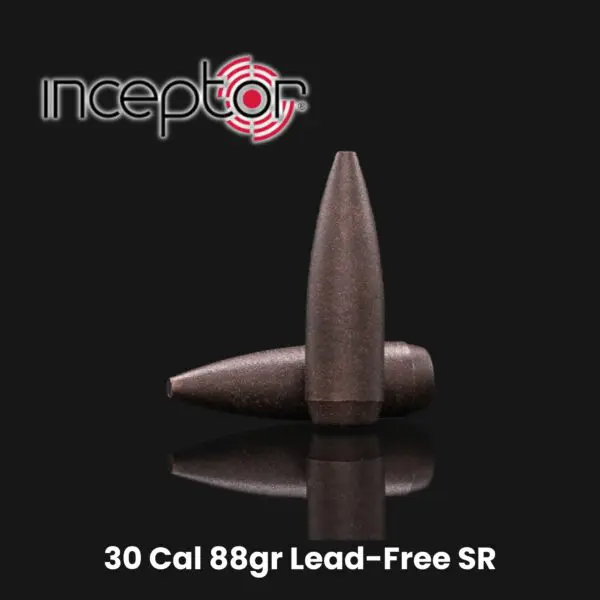
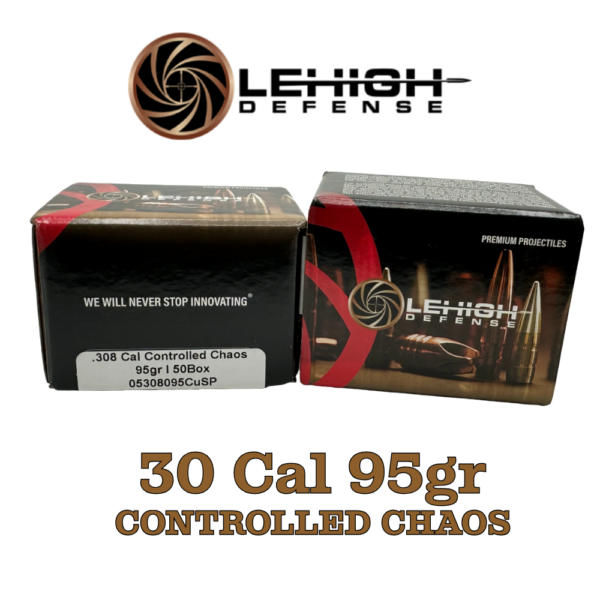
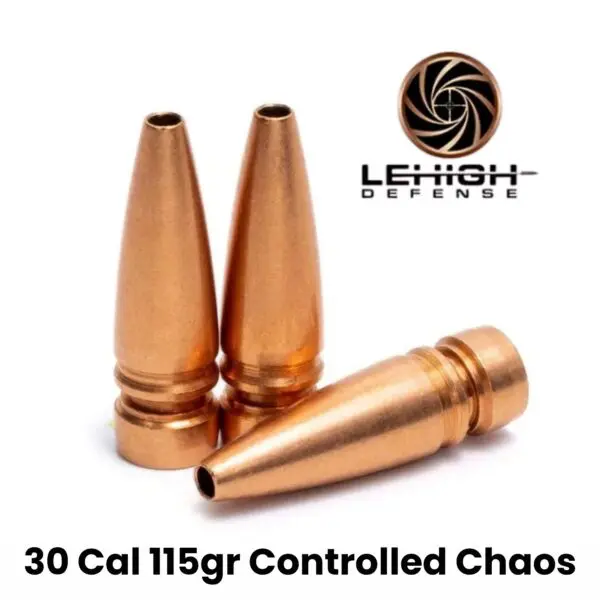
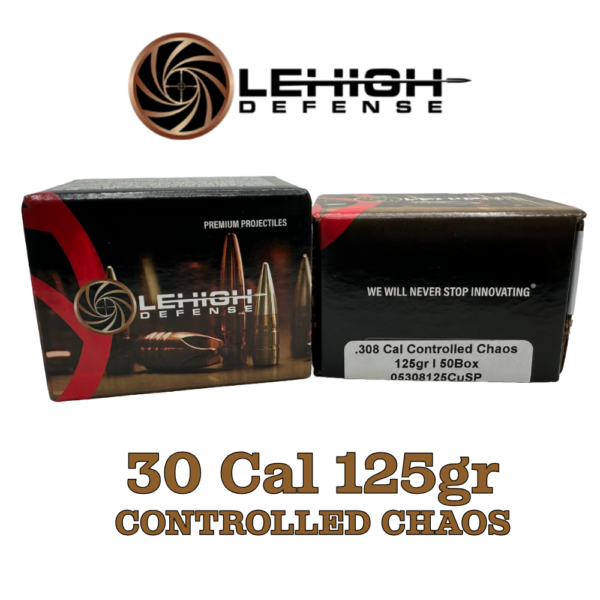
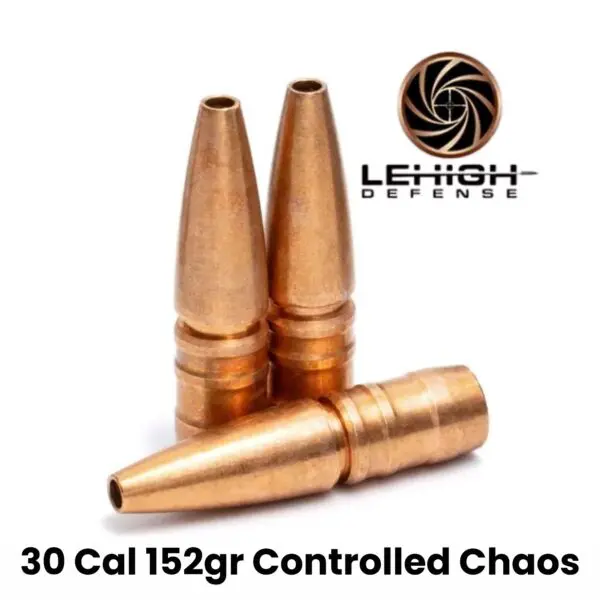
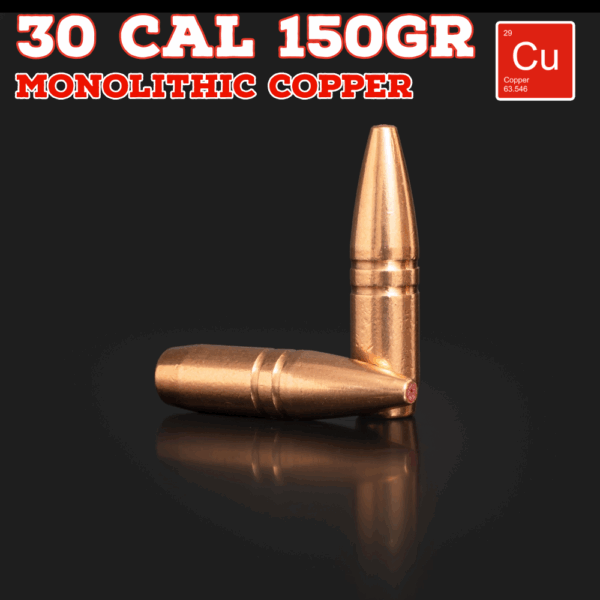
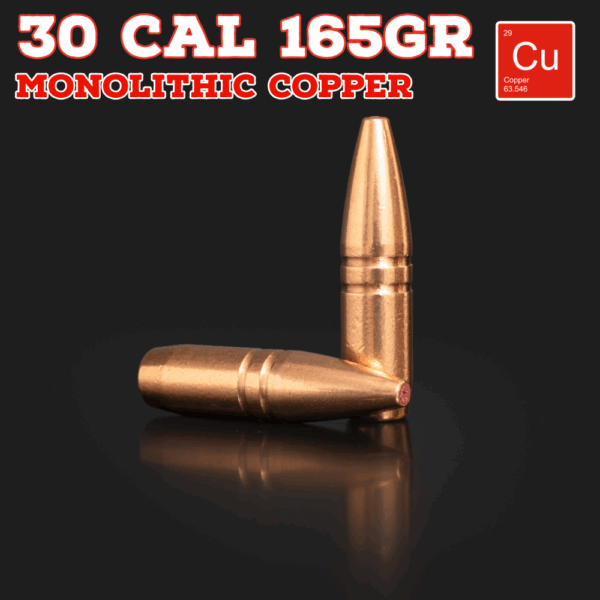
Finally, copper solids — like the Lehigh Defense bullets I have here — are another class. Some copper solids are lighter grains popular in .300 Blackout. Copper solids usually cost more than jacketed or bonded jacketed bullets, but they have roles in hunting, defensive, and certain long-range precision applications.
Overall, .30-cal bullets are extremely popular because of their versatility, availability, and wide range of price points. Handloaders can do everything from plinking subsonic loads to high-end hunting loads capable of reliably taking large game around the world. I encourage you to learn more about the different options and try experimenting with loads yourself.
Hide transcription▲